Canning Day Coffee Breaks That Keep You Going
Long canning days need a kettle rhythm, not another rushed mug. Here's how to stage coffee so jars, timers, and your focus all stay on track.

Quick answer: Start with one solid early cup, keep a thermos for mid-morning, and switch to water or decaf once jars are rolling. Never leave a burner unattended for coffee while a canner is at pressure. Brew between batches, not during critical timer windows.
Canning days are kitchen marathons. Produce waits, jars wait, and the clock does not care how tired you are. Coffee helps if you treat it like part of the workflow instead of a distraction.
A Simple Canning-Day Rhythm
- Before produce hits the counter: brew and drink the first cup
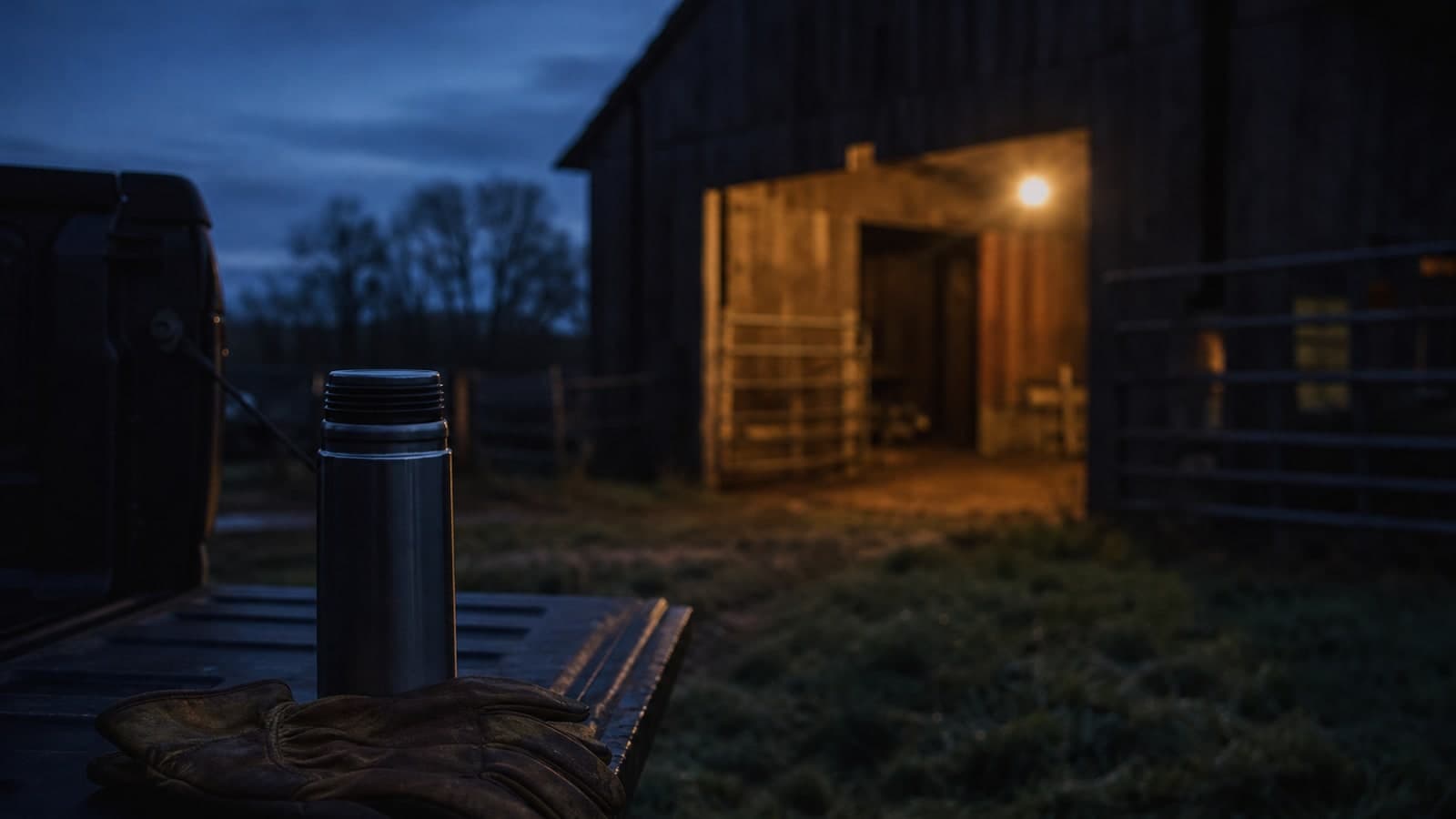
- While jars sterilize or water heats: fill a thermos
- Between batches: short sip breaks only when timers allow
- After the last ping: optional decaf on the porch
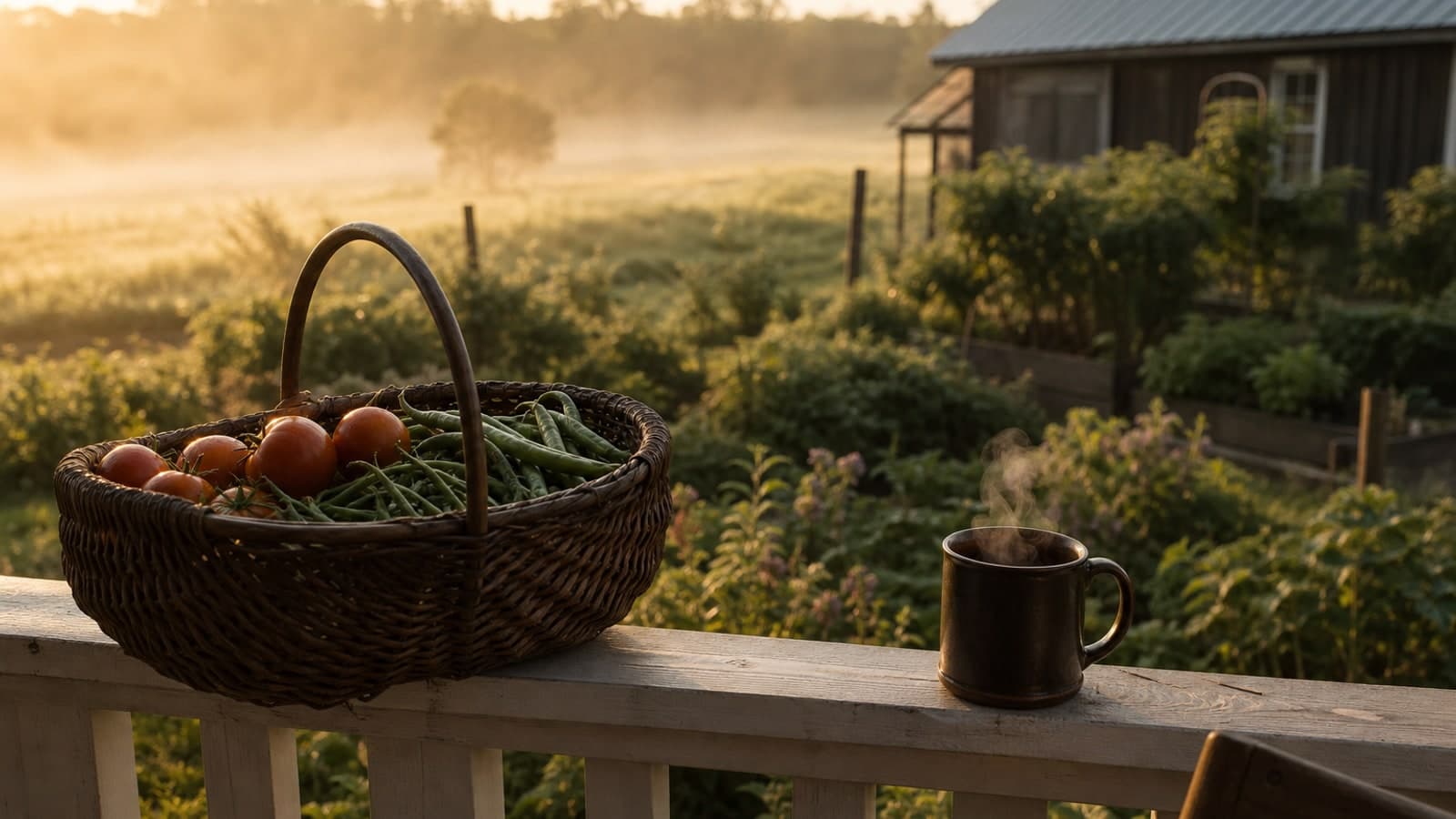
Pair this with garden harvest mornings if you pick and can the same day.
Brew Methods That Fit the Kitchen
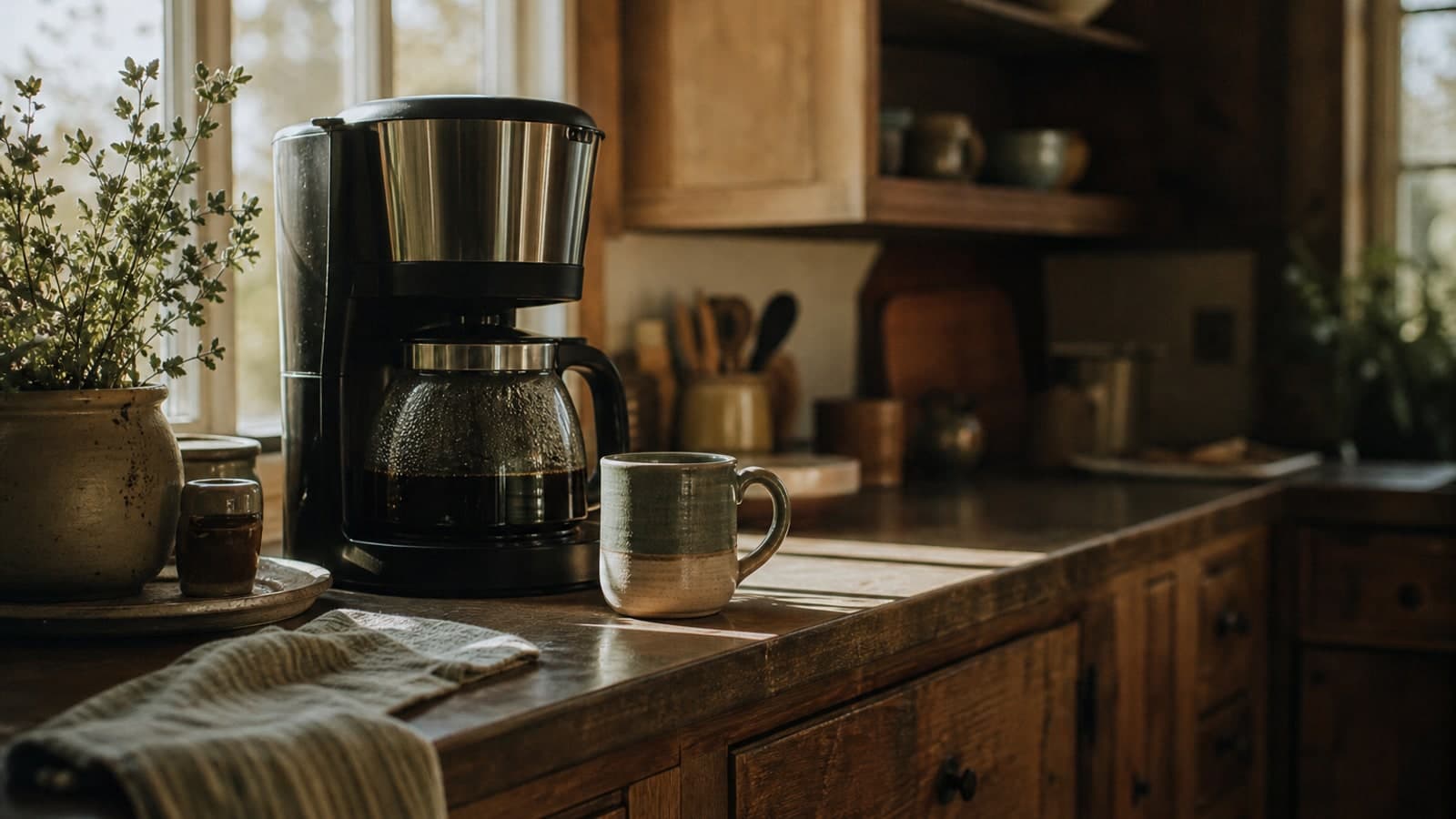
Drip and French press win. They are fast, familiar, and do not need hovering the way pour-over does. See drip without the bitter cup.
Keep grounds and filters away from the canning zone so steam and splashes do not ruin the bag.
What to Brew
- Morning Blend: first cup and thermos fill
- Homestead Dark: if you want a bolder mid-morning
- Sunrise Decaf: late afternoon when sleep still matters
Frequently Asked Questions
Should I drink coffee while standing over a boiling water bath?
Sip during safe pauses. Your attention belongs on seals, headspace, and time, not on refining a pour.
How much coffee for a full canning day?
One strong morning cup plus a thermos is enough for most people. More caffeine does not make jars seal faster.
What about iced coffee in a hot kitchen?
It works. Use a concentrate or coffee ice cubes so melt does not thin the cup. See iced coffee without watering it down.
Keep the kitchen stocked: Morning Blend or the full shop.