Stovetop Moka Pot: Strong Coffee in Ten Minutes
A moka pot makes concentrated, espresso-style coffee on any stove. No machine required. Here's how to brew it without burning the cup.
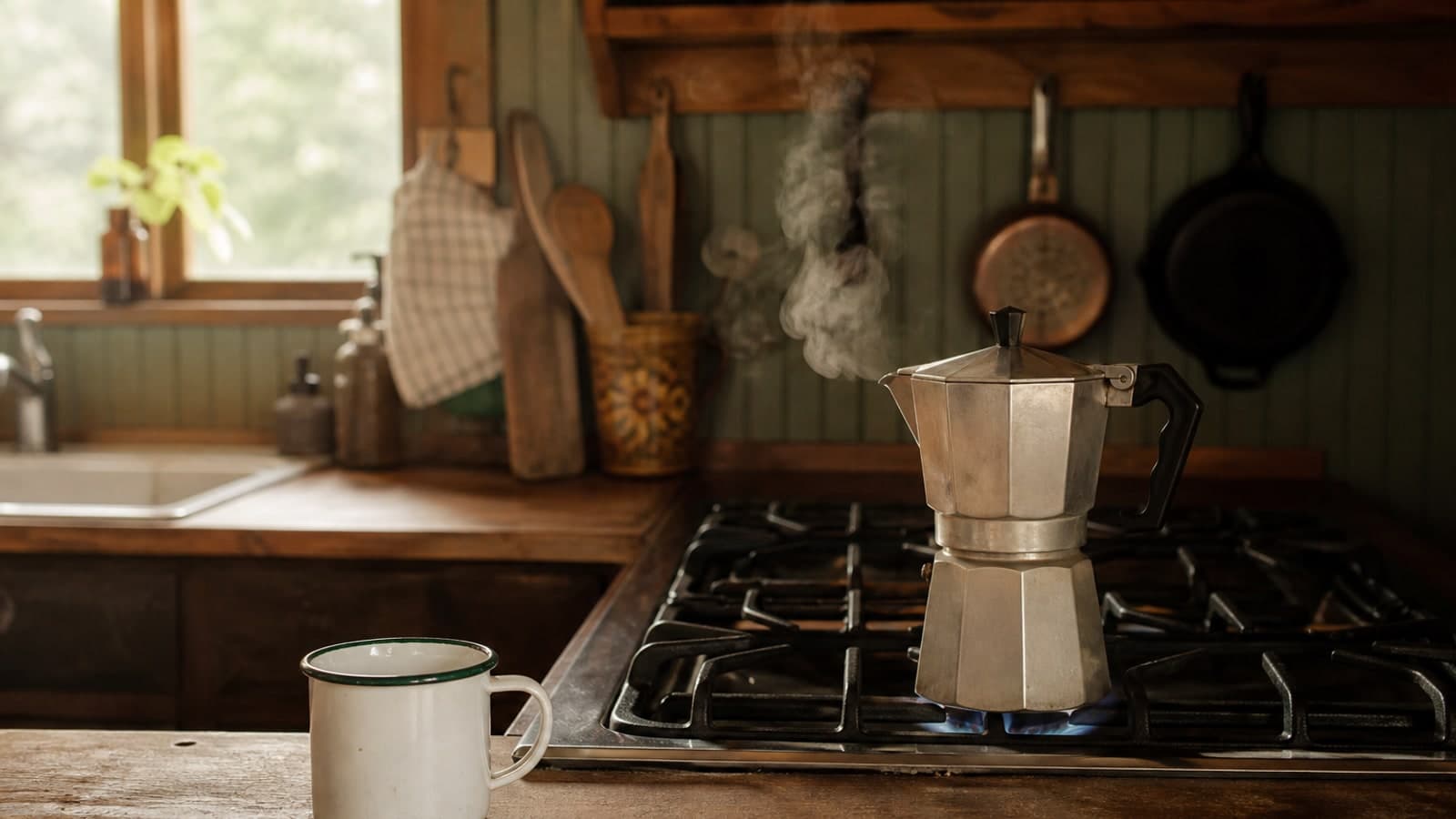
Quick answer: Fill the bottom chamber with hot water to just below the valve, add medium-fine ground coffee (not espresso-fine) to the basket without tamping, assemble, brew on low heat, and remove from heat when the stream lightens and starts to sputter. Usually under 10 minutes. Dilute with hot water for an American-style cup, or drink small straight.
A moka pot (Bialetti and similar stovetop brewers) sits between drip and espresso. It pushes steam pressure through finely ground coffee, producing a small, concentrated, bold cup without a $500 machine. On a homestead with a gas or wood stove, it's a practical option when you want a bold cup before chores but don't need a full French press thermos.
This is not true espresso: lower pressure, different extraction. Call it espresso-style. It works.
For a larger, less concentrated morning cup, see how to brew French press coffee. The moka section in best coffee for early morning chores covers when to reach for this brewer. This post covers how.
What You Need
- Stovetop moka pot (3-cup or 6-cup. Sizes refer to espresso-style servings, not mugs)
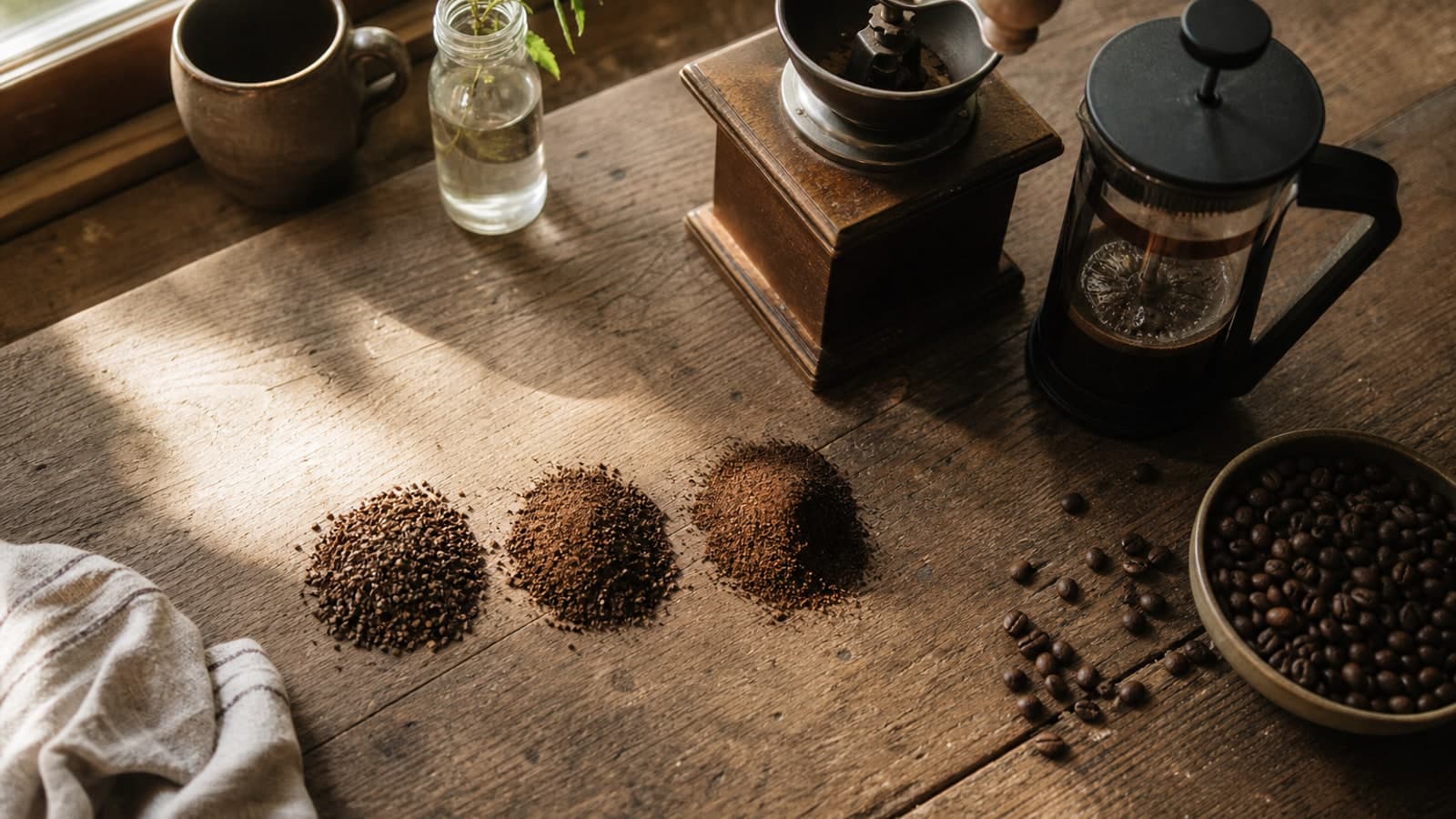
- Medium-fine ground coffee (finer than drip, coarser than true espresso)
- Kettle to preheat water
- Stove (gas, electric, or wood. Keep flame under the base only, not up the sides)
Espresso-Style vs. True Espresso
| Moka pot | Espresso machine | |
|---|---|---|
| Pressure | ~1–2 bar | ~9 bar |
| Cup size | 1–2 small shots per brew | 1–2 oz shots |
| Grind | Medium-fine | Fine |
| Character | Bold, concentrated | Crema, intense |
Don't tamp moka grounds like espresso. Fill the basket level, wipe the rim clean, and let the pot do the work.
The Basic Fill (3-Cup and 6-Cup)
3-cup pot (~1 small mug diluted):
- Bottom chamber: hot water to just below the safety valve
- Basket: ~15–17g medium-fine coffee (fill level, not packed)
6-cup pot (~2 mugs diluted):
- Bottom chamber: hot water to just below the valve
- Basket: ~30–32g medium-fine coffee
Using hot water in the bottom chamber (instead of cold) reduces time on the heat and lowers the chance of "cooking" the grounds before extraction starts. That's the single biggest upgrade most people skip.
Step by Step
- Preheat water in a kettle (not in the moka pot yet).
- Pour hot water into the bottom chamber up to the valve line. Don't cover the valve.
- Insert the basket and fill with medium-fine ground coffee. Level off; do not tamp. Brush stray grounds off the rim.
- Assemble the pot tightly. Use a towel; the bottom will be hot.
- Place on low heat with the lid open. Low heat is critical. High heat burns the coffee and tastes metallic.
- Watch and listen. Coffee will begin to flow into the upper chamber. A steady dark stream at first.
- Remove from heat when the stream lightens to honey color and you hear sputtering. Don't wait until it's silent, that's over-extracted and bitter.
- Run the base under cold tap water for a few seconds (optional) to stop extraction instantly.
- Serve straight in small cups, or dilute with hot water to taste for a larger American-style mug.
Total time: roughly 5–10 minutes depending on pot size and heat.
Diluting vs. Drinking Straight
Straight: 1–2 oz equivalent per "cup" marking on the pot. Intense, bold, fast.
Americano-style: Add hot water to taste (start 1:1) for a larger, softer cup without losing the moka character.
For chore mornings where you need volume in a thermos, French press usually wins. Moka shines when you want concentration in a small window before heading out.
Which Coffee to Use
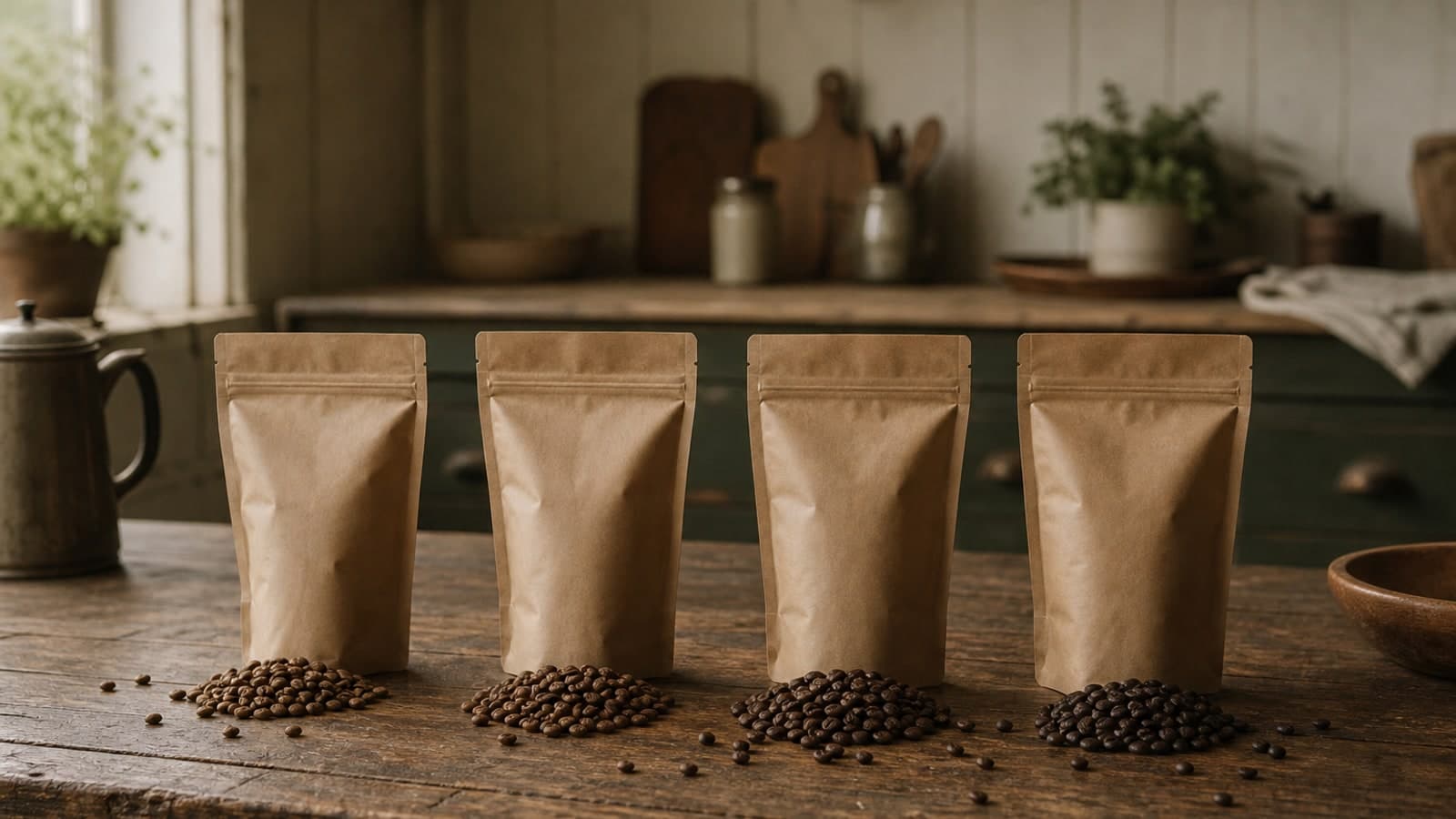
Medium-dark and dark roasts handle moka pressure well.
- Homestead Dark: bold, stands up to concentration
- Beekeepers Roast: medium-dark, smooth, less sharp edges
- Morning Blend: approachable if you dilute
Grind matters as much as roast. See choosing your coffee grind. Order whole bean and grind medium-fine at home, or use Drip Grind as a starting point and adjust slightly finer if the cup tastes thin.
Roast level context: how to choose a coffee roast level.
Safety Notes
- Keep the flame on the bottom of the pot only.
- Don't leave the pot unattended on high heat.
- Let pressure release before twisting open. Never force a hot, pressurized chamber.
- Replace gaskets and filters per manufacturer schedule (typically annually with regular use).
Frequently Asked Questions
Why does my moka pot taste bitter?
Almost always too much heat or left on the stove too long. Use low heat and pull off when the stream lightens. Burnt, metallic taste means the bottom chamber overheated.
Why is it weak or sour?
Grind too coarse, under-filled basket, or removed too early. Fill the basket level and use medium-fine grind.
Can I use espresso grind?
Usually too fine. Clogging, slow flow, and bitter over-extraction. Medium-fine is the target.
Does it work on induction?
Only if the pot is induction-compatible (stainless models often are; classic aluminum Bialetti is not). Check the base of your pot.