How to Taste Coffee at Home (Without the Jargon)
You do not need a cupping lab. A quiet cup, a few questions, and fresh beans are enough to learn what you like and buy better coffee next time.
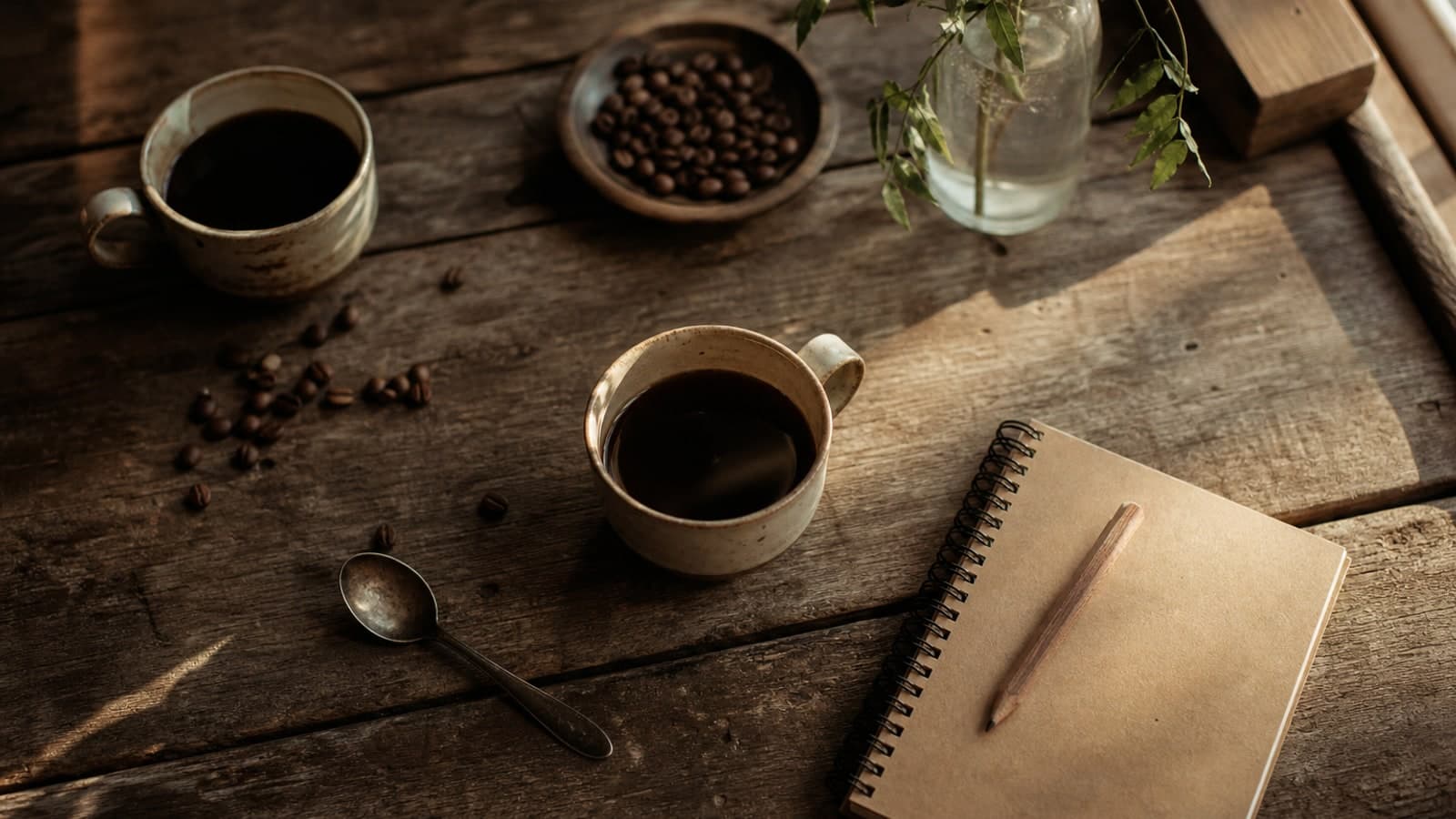
Quick answer: Brew one coffee at a time with a consistent method (pour-over or French press). Smell the grounds wet and dry. Sip while the coffee is warm, not piping hot. Ask: Is it sweet, bitter, or sour? Light or heavy in the mouth? Does the flavor change as it cools? Write one sentence. Repeat next week with a different roast.
Professional cuppers use spoons and score sheets. On the homestead you need five minutes and a mug.
Learning to taste coffee at home helps you stop buying bags you do not enjoy and start matching roasts to your actual mornings.
Set Up a Simple Tasting
- Pick one coffee and one brew method. Change only the coffee between sessions, not the grinder setting and ratio.
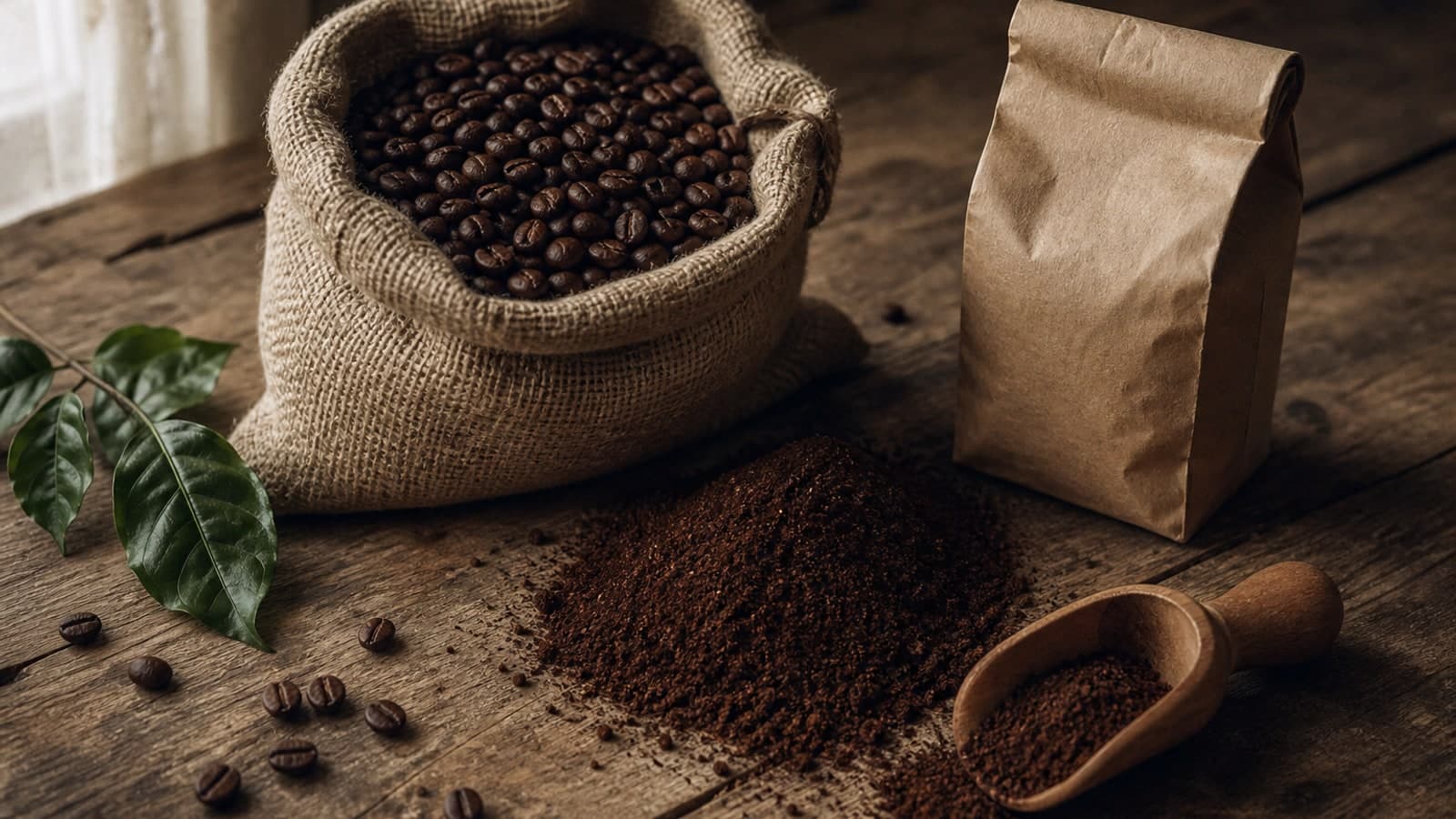
- Use fresh beans within 2–4 weeks of roast. Stale coffee hides character.
- Brew a little less than your usual mug so you can focus.
- Skip cream and sugar for the first few sips. Add them after if that is how you normally drink.
What to Notice
Aroma (dry and wet): smell the grounds, then smell right after you pour water. Nutty, chocolate, floral, earthy: words are loose guides, not a test.
Acidity: bright and crisp (like a green apple) vs. flat. Not the same as sour or bitter.
Body: how heavy the coffee feels on your tongue. French press usually has more body than pour-over.
Sweetness: good coffee often tastes naturally sweet even without sugar. Bitterness at the finish can mean over-extraction or a very dark roast.
Finish: what lingers after you swallow. Short and clean, or long and roasty?
Compare Two Coffees Side by Side
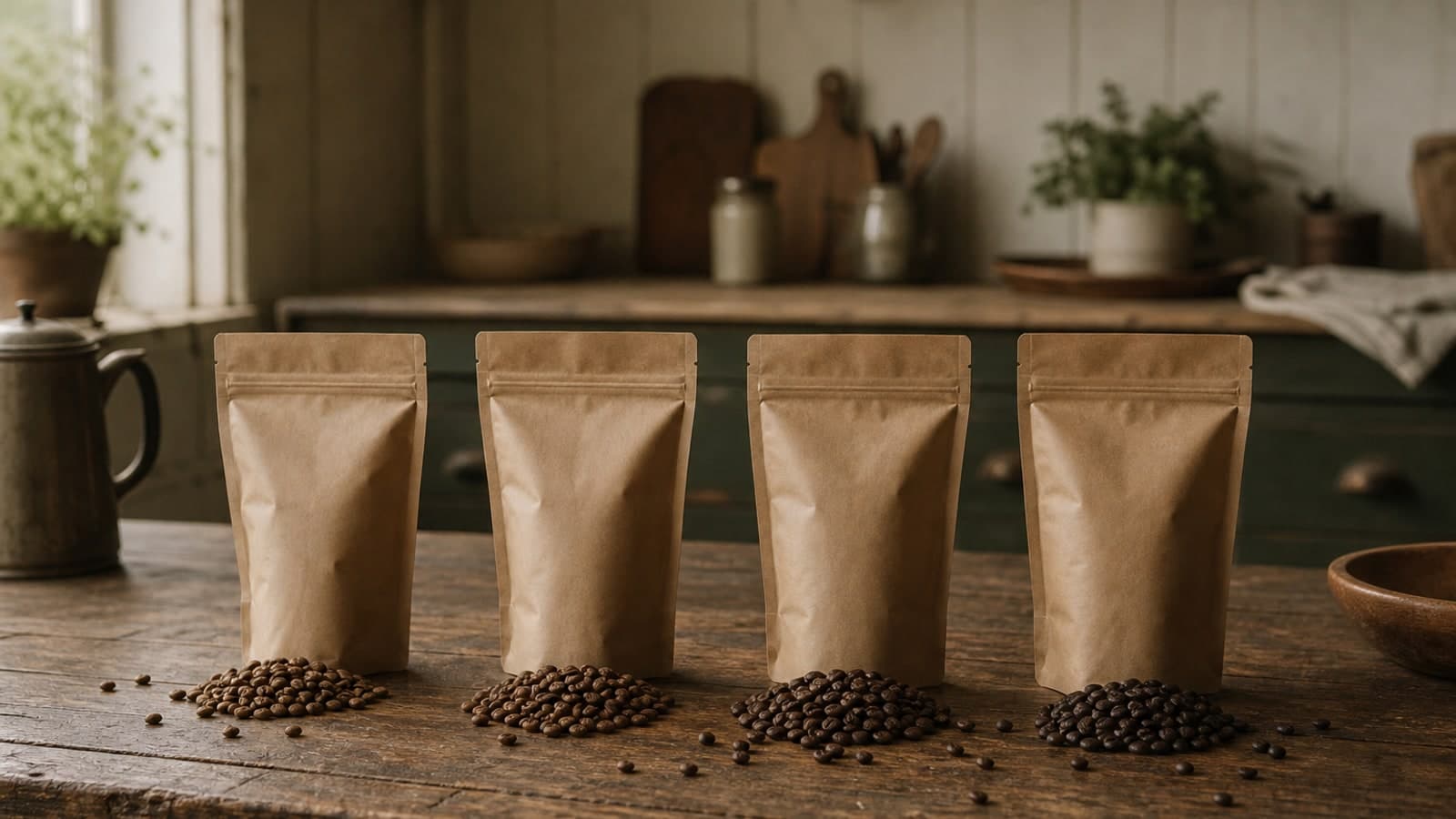
Once you have a baseline, brew two roasts the same way on the same morning:
- Morning Blend vs. Homestead Dark
- A single-origin vs. a blend
Small differences become obvious when tasted back to back.
Common Mistakes
Tasting coffee too hot. Let it cool one minute. Heat masks nuance.
Changing too many variables. New grinder, new method, new water, new beans: you will not know what changed.
Judging stale coffee. Old beans taste flat and papery. Taste fresh roast first.
A One-Line Journal
Keep a note on your phone:
"Morning Blend, French press, nutty, smooth, medium body, no harsh finish."
After a month you will know your pattern. Maybe you want low acid before chores (Beekeepers Roast). Maybe you want origin character on Sunday (single-origin coffees).
See single-origin vs. blends and how to choose a roast level when you are ready to buy with intent.
Frequently Asked Questions
Do I need a flavor wheel?
No. Plain language you understand beats industry vocabulary.
Why does the same coffee taste different on different days?
Grind, water, temperature, and freshness all shift. That is normal. Consistency in brewing makes tasting comparisons fair.
Can I taste decaf the same way?
Yes. Good decaf (like Sunrise Decaf) still has roast character and body. See when decaf still deserves a good cup.
Related: whole bean vs. pre-ground, choosing roast level.