Whole Bean vs. Pre-Ground Coffee: Which Should You Buy?
Whole bean stays fresher longer and tastes better cup after cup. Pre-ground wins on convenience. Here's how to choose for your homestead kitchen, and when each option actually makes sense.
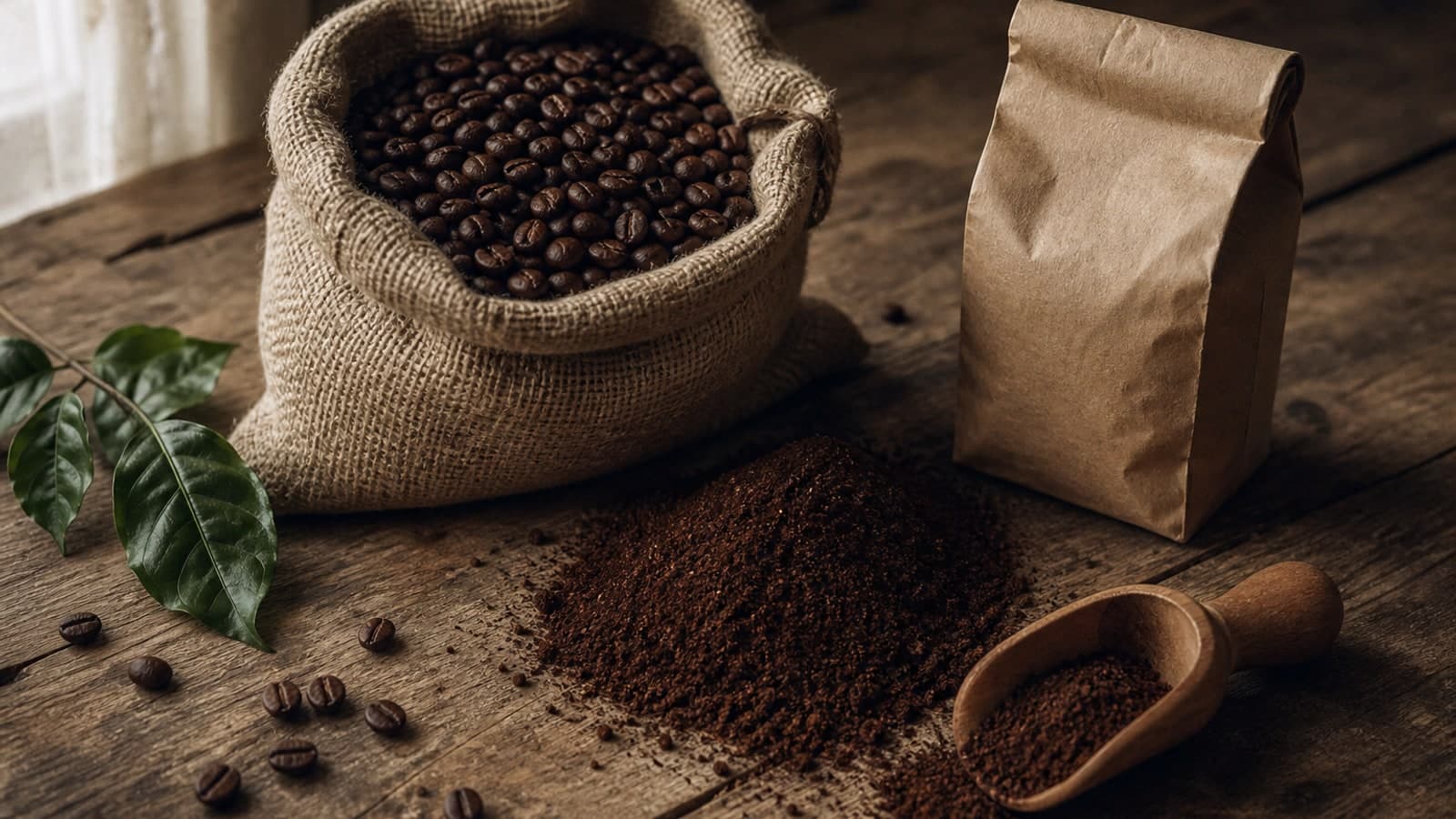
Quick answer: Buy whole bean if you drink coffee regularly and can grind before each brew. It stays fresh two to four times longer than pre-ground and tastes noticeably better. Buy pre-ground (matched to your brew method) if you need speed, travel without a grinder, or share coffee with someone who won't grind at home. For homestead households buying in bulk, whole bean almost always wins.
The grind-or-not question comes up on every homestead eventually. You found a coffee you like. You're ready to order a 2lb bag. Then you hit the dropdown: whole bean or drip ground?
It's not a trick question, but the right answer depends on how you brew, how fast you go through a bag, and whether you own a grinder. Here's a clear framework.
Why Whole Bean Tastes Fresher
Coffee's flavor lives in volatile aromatic compounds. The oils and gases that give your cup its scent and sweetness. Roasting creates those compounds; time and oxygen destroy them.
Whole beans have less surface area exposed to air than ground coffee. That single difference changes everything about shelf life:
- Whole bean (opened): peak flavor for about 2 weeks; still good through week 4
- Pre-ground (opened): peak flavor for about 1 week; declines quickly after that
When you grind coffee, you multiply the surface area by hundreds of times. Oxidation accelerates immediately. A bag of pre-ground coffee that's been open for ten days on the counter will taste flatter than whole beans from the same roast date, ground fresh that morning.
This isn't snobbery. It's chemistry. If you're buying quality coffee, grinding at brew time is the simplest way to protect what you paid for.
When Pre-Ground Makes Sense
Pre-ground isn't a compromise for people who don't care about flavor. It's a practical choice in specific situations:
You don't own a grinder yet. A decent burr grinder costs $40–150 and lasts years. Until then, order pre-ground matched to your brew method (drip, French press, or espresso). Wrong grind size hurts extraction more than pre-grinding hurts freshness, if the grind doesn't match your brewer.
Speed matters more than nuance. Some mornings on the homestead, you need coffee in the cup in four minutes flat. Pre-ground removes one step. That's valid.
You're gifting coffee to someone who won't grind at home. A bag of whole bean without a grinder is a frustrating gift.
You're brewing off-grid or traveling and can't bring a grinder. Pre-ground in a sealed portion is fine for a camping weekend.
You finish a bag in under a week. If your household drinks fast enough that freshness windows barely matter, the whole-bean advantage shrinks, though you'll still taste the difference side by side.
When Whole Bean Is the Better Buy
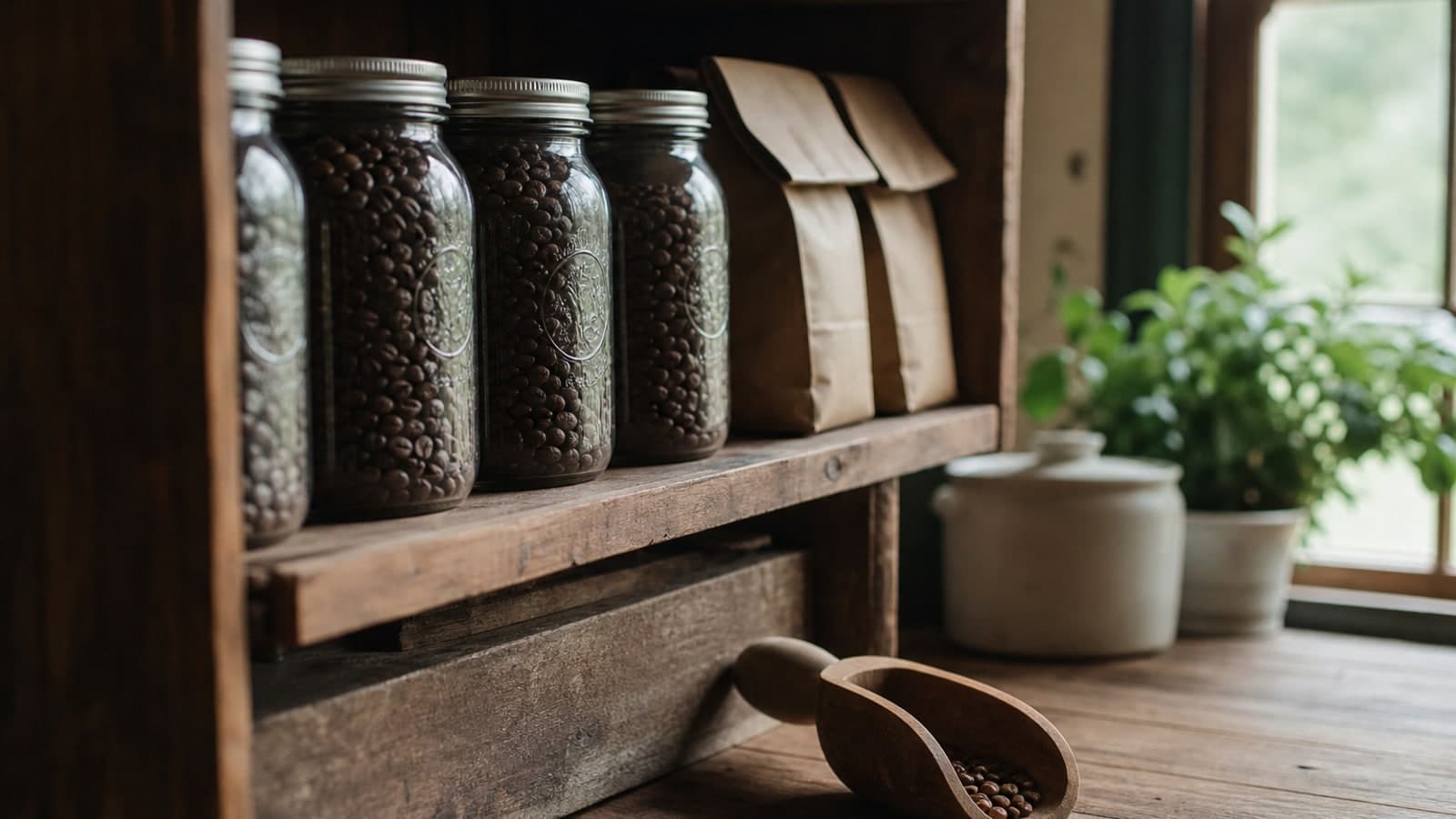
You buy in bulk. Homestead households often order 2–5 lbs at a time. Whole bean stored properly in an airtight canister (see our coffee storage guide) keeps flavor across weeks. Pre-ground bulk bags go stale before you reach the bottom.
You brew daily. The 60 seconds it takes to grind pays back every single morning in a sweeter, more aromatic cup.
You use multiple brew methods. One bag of whole bean can become French press grind on Monday and pour-over grind on Saturday. Pre-ground locks you into one extraction profile.
You care about consistency. Blends like Morning Blend are designed to taste the same batch to batch. Grinding fresh is how you actually experience that consistency at home.
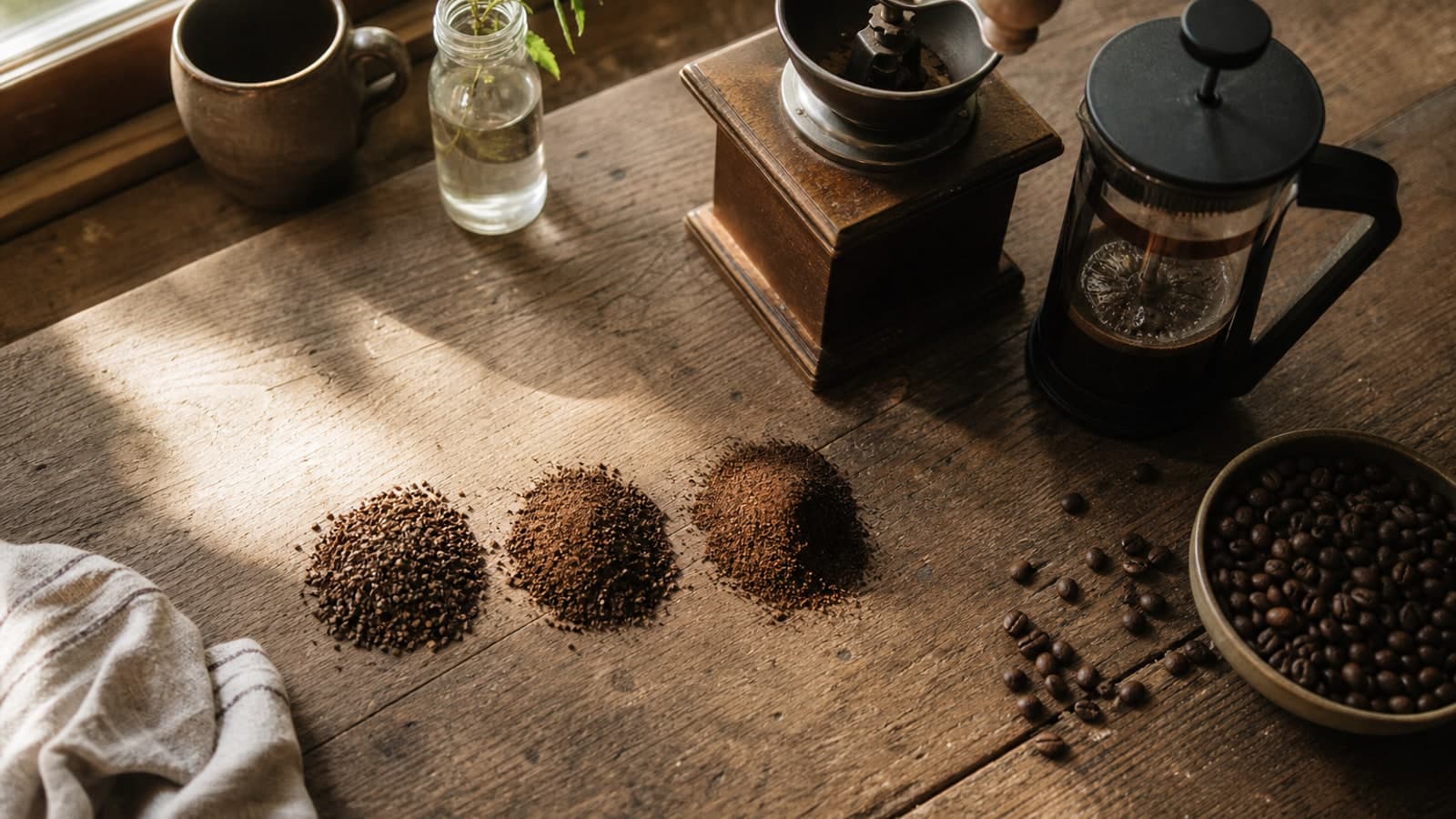
Matching Grind to Brew Method
If you choose pre-ground, the grind label matters as much as the roast:
| Brew method | Grind size |
|---|---|
| French press, cold brew | Coarse |
| Drip machine, pour-over, Aeropress | Medium (drip) |
| Espresso, moka pot | Fine |
Ordering "ground coffee" without specifying method often means a one-size-fits-all medium grind. That works in a drip machine and struggles in a French press (sludge) or espresso (under-extracted, sour).
Saltbox offers whole bean plus grind options at checkout so you can match your setup. When in doubt, whole bean plus a burr grinder is the most flexible long-term setup.
The Grinder Question
You don't need an expensive grinder to beat pre-ground freshness. You need a burr grinder, not a blade spinner.
Blade grinders chop beans unevenly. Powder and chunks in the same batch. Uneven grind means uneven extraction: bitter and sour in the same cup.
Burr grinders crush beans to a consistent size. Manual hand grinders ($40–80) are quiet, need no electricity, and work well for French press and pour-over. Electric burr grinders ($80–150) save time for daily use.
A hand grinder on a homestead kitchen counter is a one-time purchase that pays for itself in fresher coffee within the first month of whole-bean buying.
Cost Comparison: Is Whole Bean More Expensive?
Whole bean and pre-ground from the same roaster are typically the same price per pound. The real cost difference is the grinder. A one-time $50–100 investment.
Spread over a year of coffee drinking, that's pennies per cup. For households already buying specialty coffee in multi-pound quantities, whole bean is the better value because less flavor is wasted to staleness.
A Practical Decision Tree
- Do you own a burr grinder (or will you buy one this month)?
- No → pre-ground, matched to your brew method
- Yes → whole bean
- Will you finish a 2lb bag in under 10 days?
- Yes → either works; whole bean still tastes better
- No → whole bean
- Do you brew with more than one method?
- Yes → whole bean
- No → pre-ground is acceptable if you match the grind
- Are you storing coffee for more than two weeks after opening?
- Yes → whole bean, stored in an airtight opaque canister
- No → pre-ground is workable for fast drinkers
Frequently Asked Questions
Is whole bean fresher-tasting than pre-ground?
Yes, for flavor. Whole bean holds aromatic compounds longer because more surface area stays protected until you grind. That's a taste and quality difference, not a nutrition claim.
Does pre-ground coffee taste weaker over time?
Stale pre-ground can taste flat because flavor compounds fade in storage. Grind fresh when you can, or buy smaller bags more often.
How long does pre-ground coffee stay fresh?
Sealed: up to 2–4 weeks from the grind date. After opening: peak flavor for about 1 week, acceptable through week 2, noticeably flat after that. Store in an airtight container away from heat and light.
Can I grind whole bean ahead of time?
You can grind enough for a few days and store in an airtight container, but you'll lose most of the whole-bean advantage within 24–48 hours. Grind immediately before brewing for the best cup.
What grind should I order if I only have a drip machine?
Order drip ground (medium). If you later add a French press, switch to whole bean and grind coarse at home, or order a second bag ground for French press.
Is whole bean worth it for decaf?
Yes. Decaf beans lose aroma the same way regular beans do. If you drink decaf daily, grinding fresh matters just as much.
Order Morning Blend as Whole Bean if you grind at home, or Drip Grind for the machine. See the shop for the full lineup.