Cloth Filters for Homestead Coffee Brewing
Reusable cloth filters cut paper waste and change body in the cup. Here's how to use, rinse, and store them without turning coffee oily or sour.

Quick answer: Rinse a cloth filter with hot water before brewing, brew as usual, then rinse thoroughly after and hang dry. Wash periodically with mild soap or a boil, and never store it damp. Cloth lets more oils through than paper, so the cup tastes fuller. Replace the filter when it smells rancid or will not rinse clean.
Paper filters are convenient. Cloth filters are a homestead-friendly middle path: less trash, more body, a little more care.
Why People Switch
- Less paper waste
- Fuller mouthfeel (more oils stay in the cup)
- Reusable for months with good hygiene
If you prefer a cleaner, lighter cup, stick with paper. Both are valid.
Basic Cloth Filter Routine
- Rinse with hot water (no soap) before the brew
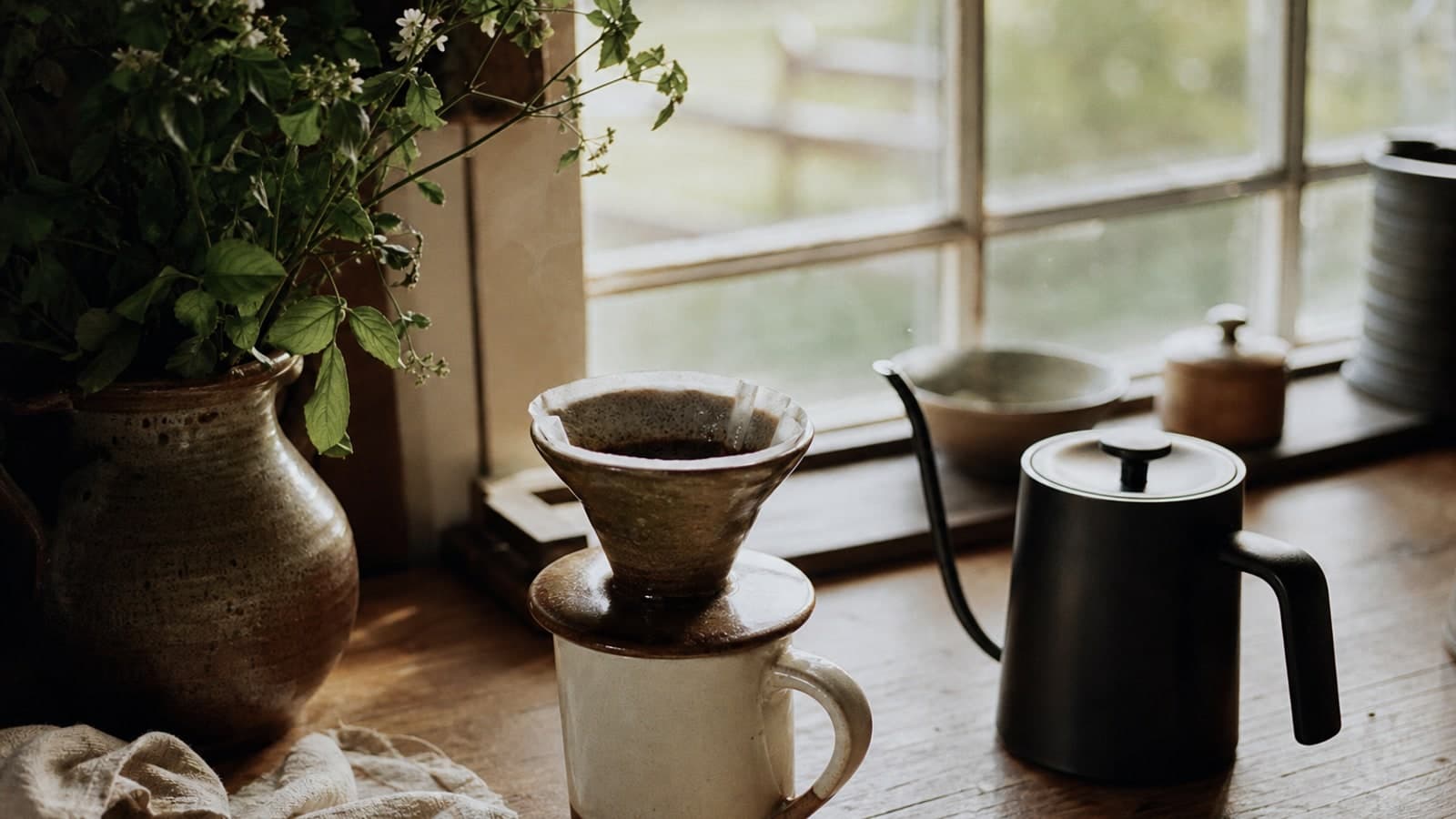
- Brew pour-over or drip-style as your device allows
- Knock out grounds to compost
- Rinse until water runs clear
- Hang fully dry between uses
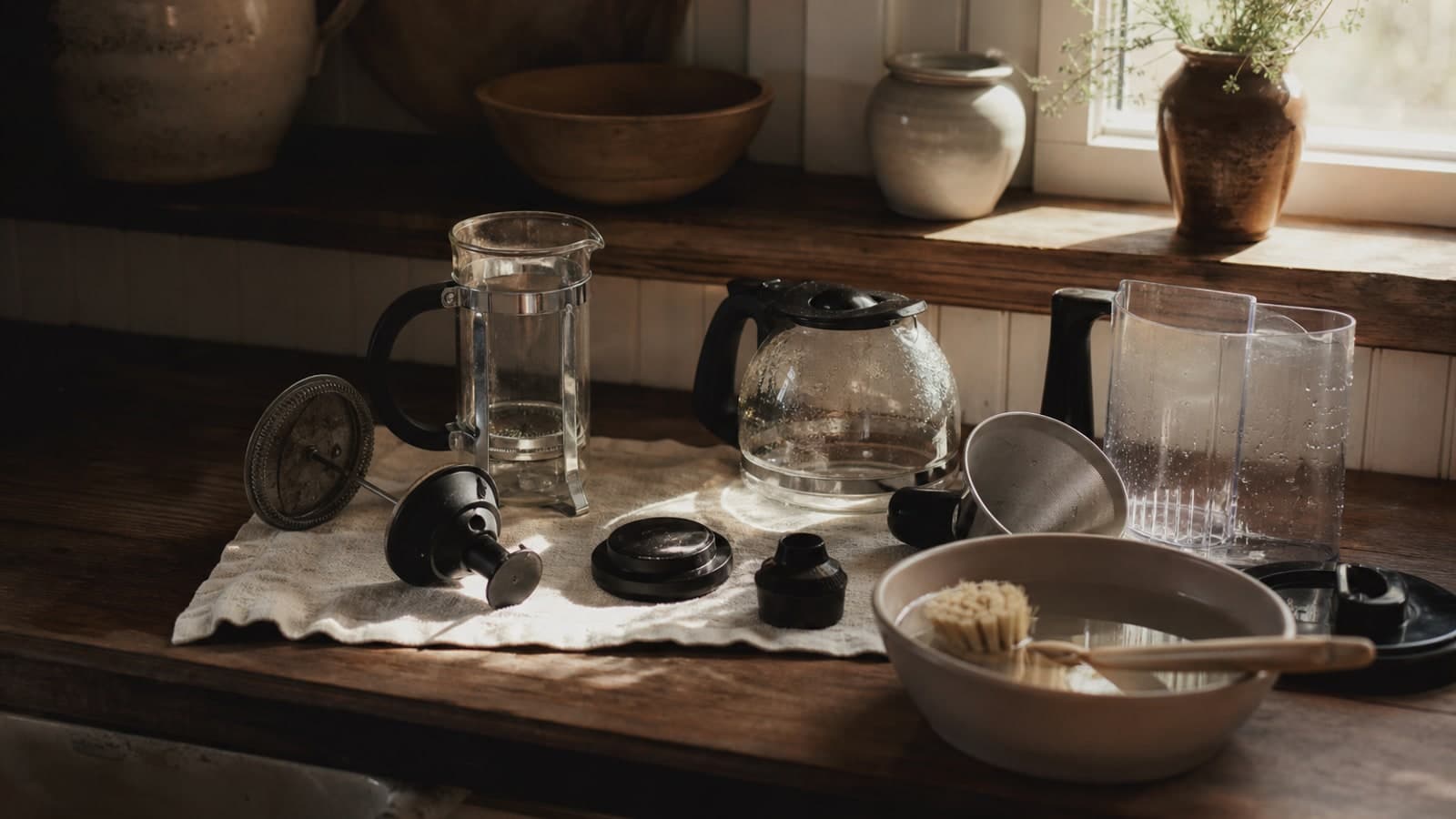
Deep-clean when oils build up. See also cleaning coffee equipment.
Brew Adjustments
Cloth can taste heavier. If the cup feels muddy, grind a touch coarser or shorten contact time. Start with your usual dose from pour-over basics and adjust one variable at a time.
Beans That Shine
Medium roasts show sweetness through cloth well:
Frequently Asked Questions
Can I put a cloth filter in the washing machine?
A gentle wash occasionally is fine for many filters. Skip fabric softener. Air dry completely.
Will cloth make coffee taste like soap?
Only if you soap it before every brew. Daily care is hot water rinse. Soap is for occasional resets.
Is this more sustainable than paper?
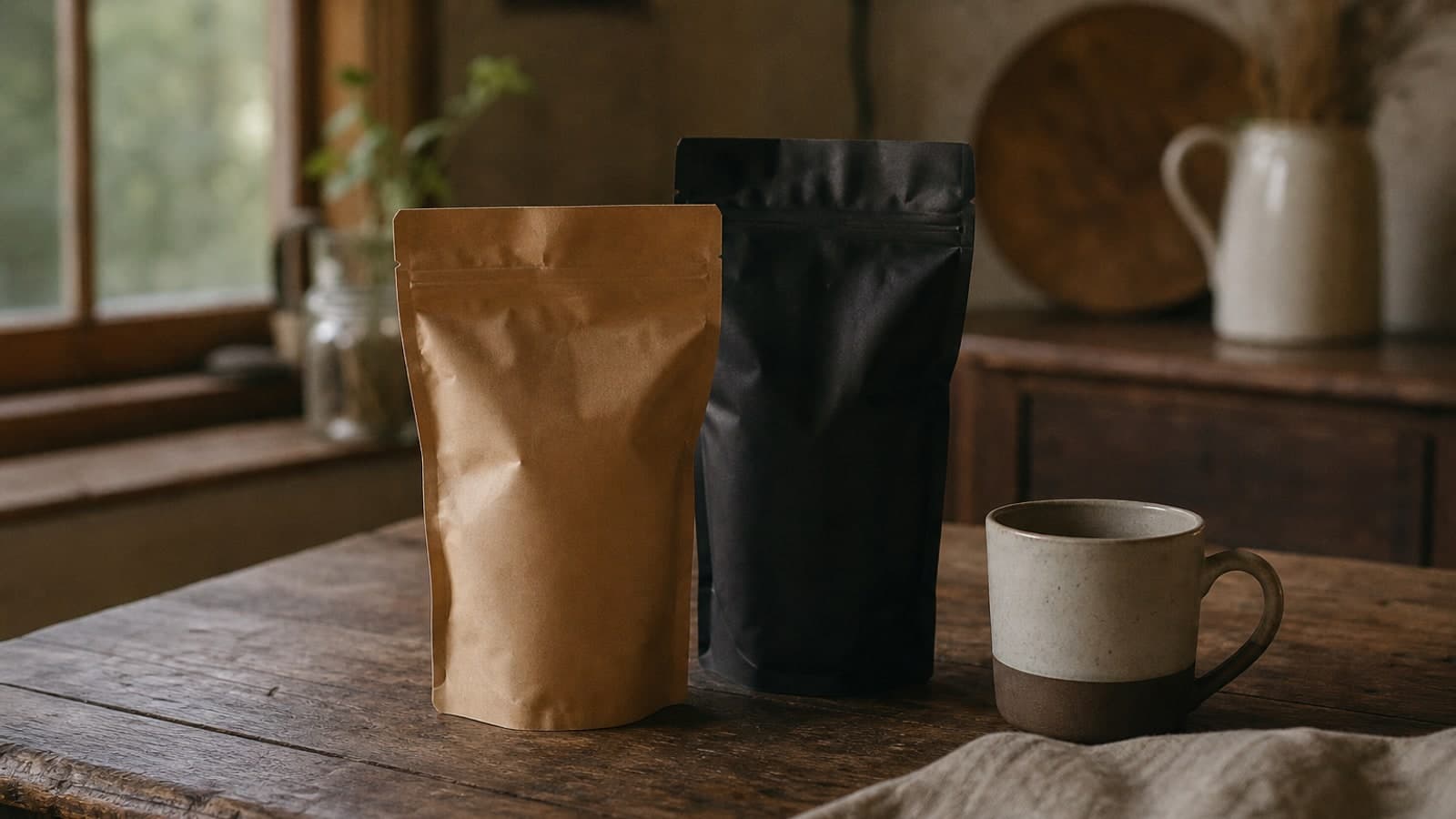
It can be, if you keep the filter long enough and do not waste water rinsing endlessly. Pair with compostable bag choices for a fuller picture.
Brew the next bag: Morning Blend or the shop.