What Coffee Bloom Means (And Why You Should Care)
That foam when hot water hits fresh grounds is bloom. It signals degassing and helps you brew more evenly. Here's what it means on a homestead counter.

Quick answer: Bloom is CO₂ releasing from freshly roasted coffee when hot water hits the grounds. A lively bloom usually means fresher beans. Pour a little water, wait 30–45 seconds, then continue. Flat, lifeless grounds can mean stale coffee or a very dark roast that has already degassed.
If you have watched pour-over videos, you have seen bloom. It is not a party trick. It is gas leaving the bean so water can wet the grounds evenly.
What Is Happening
Roasting creates CO₂ trapped in the bean. After roast, gas escapes slowly through the bag valve (degassing). Hot water speeds that release. Bubbles and a rising crust are normal.
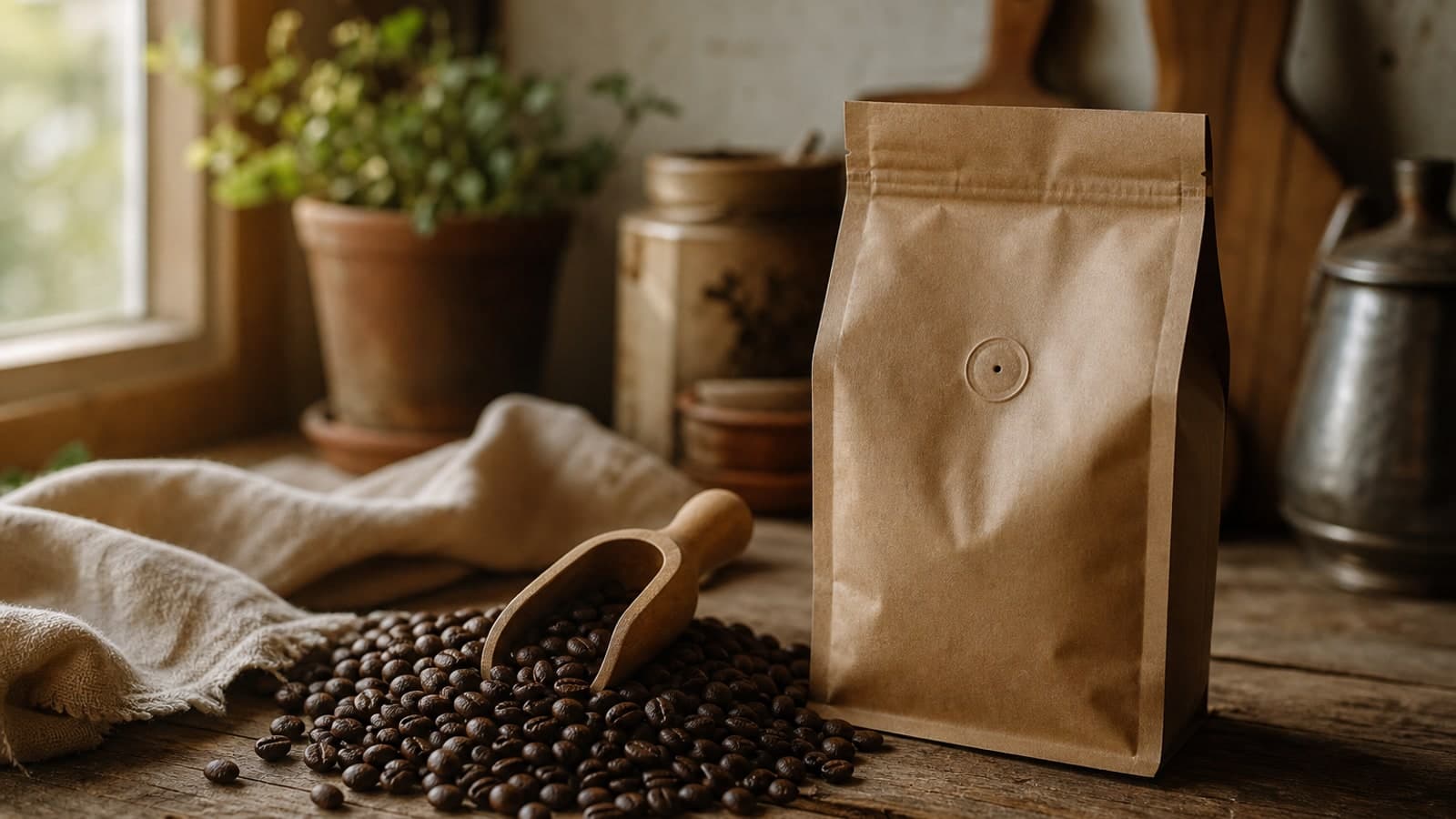
Fresh specialty coffee blooms more than old grocery beans. That is one reason roast dates matter.
How to Bloom at Home
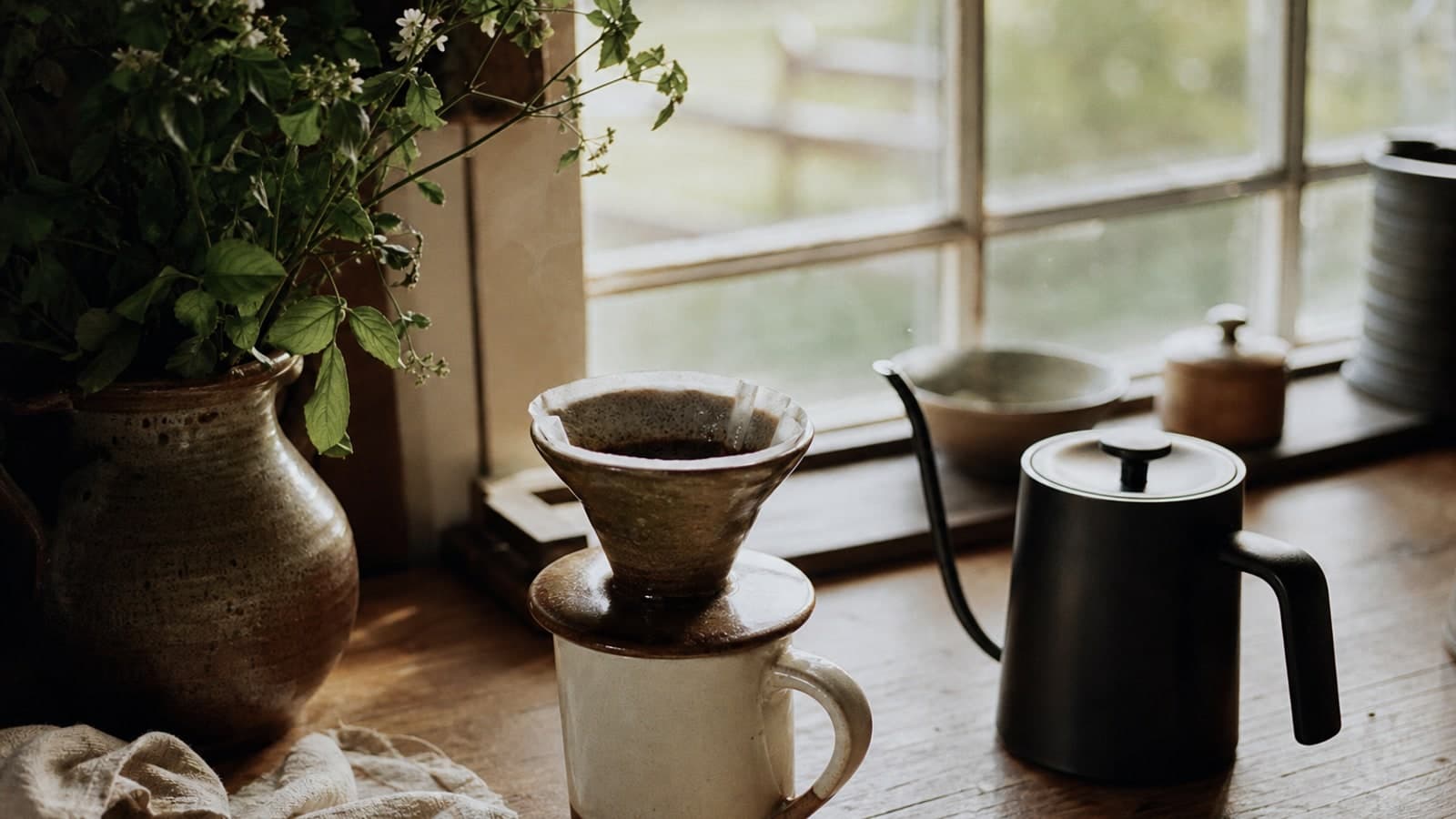
- Add grounds to the brewer
- Pour just enough hot water to wet all grounds
- Wait about 30–45 seconds
- Continue your pour in stages
Details for the full brew: pour-over guide. Water heat: temperature guide.
French Press and Drip
French press still benefits from a quick wet-and-wait before the full fill. Auto drip machines bloom for you, imperfectly. Fresh beans still taste better in drip even without a manual bloom step.
What Weak Bloom Can Mean
- Beans roasted weeks or months ago
- Pre-ground coffee that degassed fast
- Very dark roast already low on trapped gas
Taste decides. Bloom is a clue, not a verdict.
Frequently Asked Questions
Do I bloom cold brew?
No. Cold brew is a long immersion. Bloom is a hot-water wetting step.
Should I stir the bloom?
A gentle swirl is fine if dry pockets remain. Do not whip it into foam for show.
Does Saltbox coffee bloom well?
Roast-to-order coffee should show a healthy bloom in the first weeks. Shop Morning Blend or Founders Reserve.
Taste the difference fresh makes: shop.