The Morning Cup: Why Coffee Is the Cornerstone of Farm Life
Before the animals, before the chores, before the day shows you what it has in store. Here's why that first cup matters more than you think.
Quick answer: The first cup before chores is a small ritual that sets the tone for farm work: a few quiet minutes with strong coffee, no phone, before the animals and the to-do list take over. It marks the boundary between rest and meaningful work.
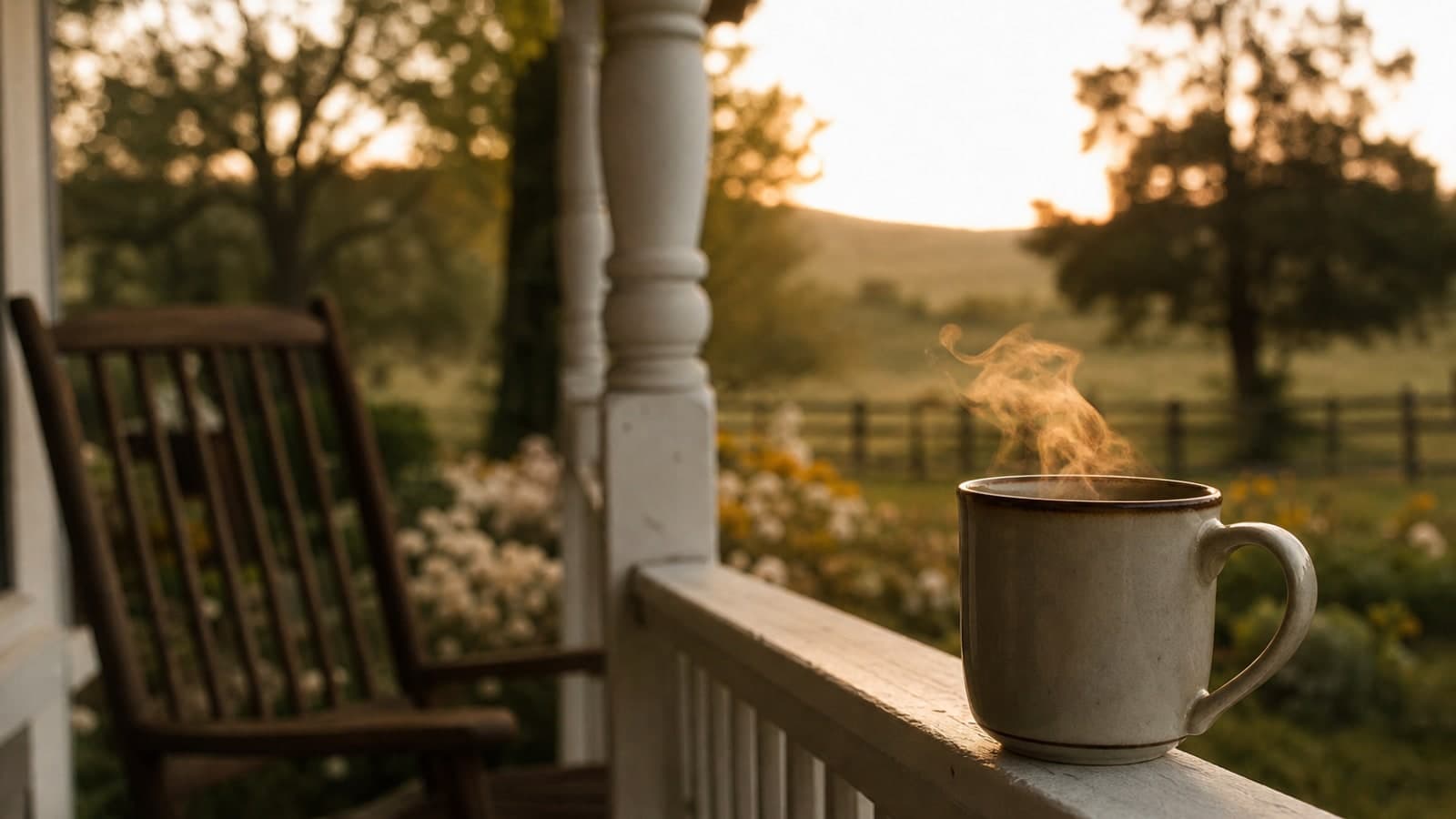
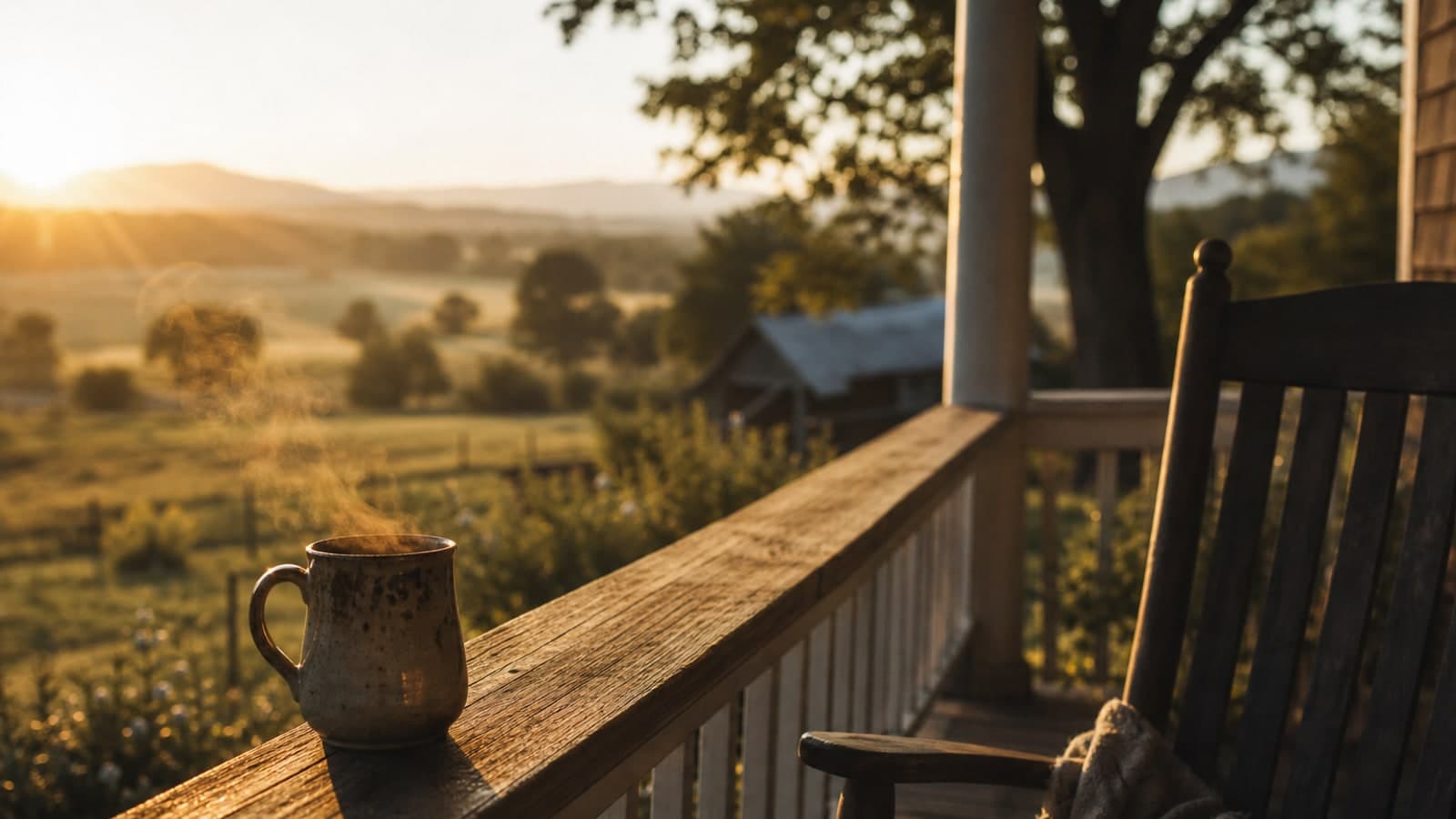
There's a particular kind of quiet that exists on the homestead just before the day begins. The animals haven't started asking for anything yet. The list of what needs doing is still theoretical. The sun is just thinking about it.
That's the moment for coffee.
Not a coffee consumed while reading a phone. Not a coffee grabbed on the way to somewhere else. A coffee taken deliberately, standing on the porch or sitting at the kitchen table. The kind that serves as a small ceremony before work begins.
Why Rituals Matter on a Homestead
Working land demands a particular kind of mental steadiness. The days are long, the work is physical, and the problems that come up (a sick animal, a failed fence, a late frost) require clear thinking and calm problem-solving. You don't have the luxury of being unfocused.
A morning ritual is one of the most reliable tools for getting there.
The act of making coffee (grinding the beans, measuring the water, waiting for the brew) is a deliberate slowing down before the acceleration of the day. It signals that you are in control of this moment, even if the rest of the day will have other plans.
What Makes a Good Farm Morning Coffee
A few qualities that matter specifically in a homestead context:
Strength without bitterness. A cup that burns will sour the first hour. Medium-dark roasts (especially those with chocolate or nutty notes) tend to deliver full flavor without harsh edges. Homestead Dark is built for exactly this.
Low fuss. The French press has endured because it's almost impossible to mess up, requires no electricity, and makes a full-bodied cup that forgives imprecision. A pour-over is excellent but demands more attention. On busy mornings, that matters.
Volume. If you're sharing with a partner or starting early and coming back for a second cup, a 12oz bag goes fast. Stock up. A 2lb bag is the practical choice for the working farm household.
The Case for Whole Bean
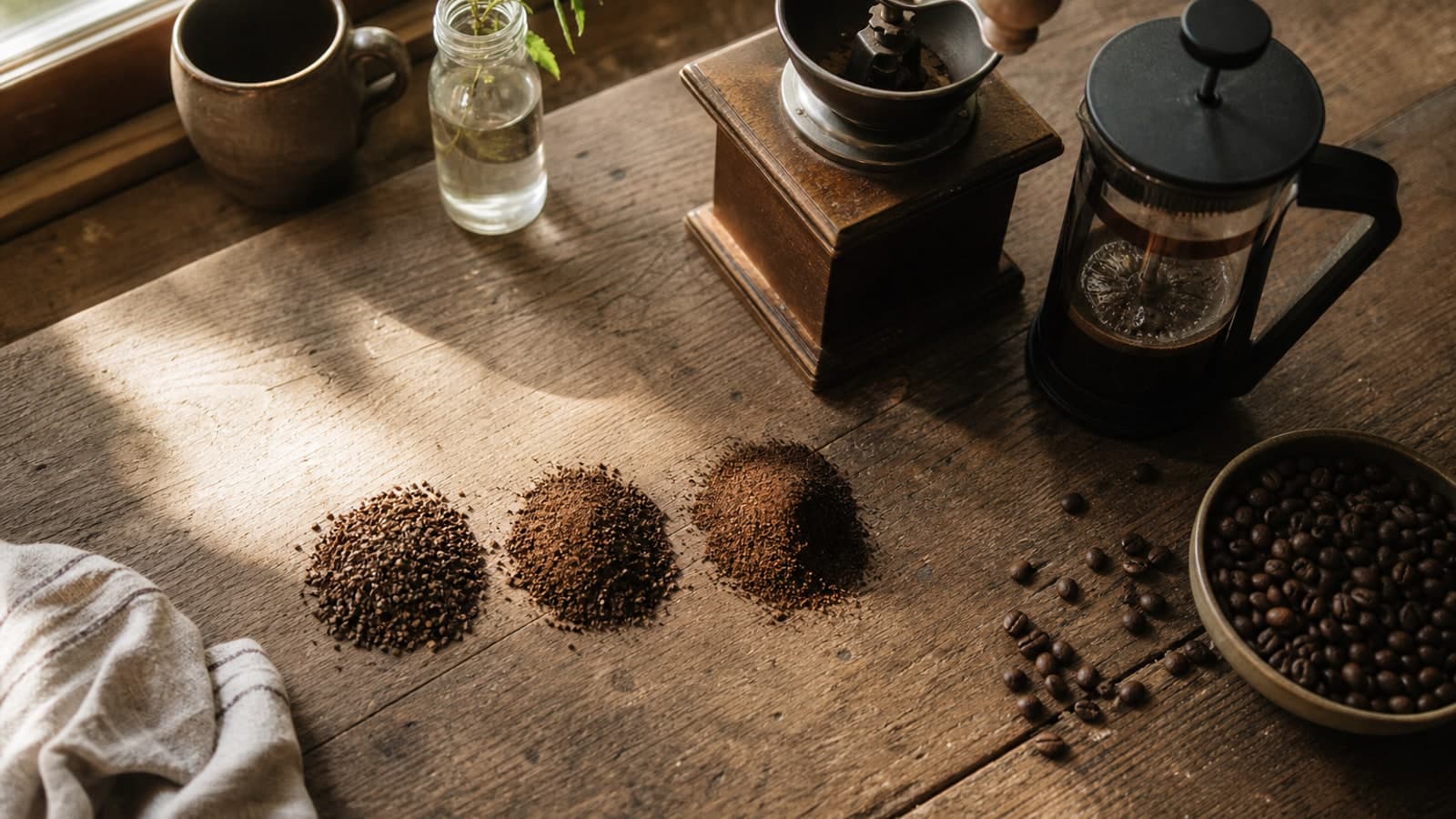
If you can make one upgrade to your morning coffee practice, make it this: a simple hand grinder and whole bean coffee.
Grinding just before brewing takes about 90 seconds. What you get in return is a noticeable improvement in aroma and flavor. Think fresh bread versus bread that's been sliced and sitting out.
A decent hand grinder costs about $30. Once you own it, the cost-per-cup improvement is permanent.
A Word on Decaf
Not everyone wants a full-strength cup first thing in the morning, especially if you already had coffee earlier in the day. Good decaf from a specialty roaster tastes like real coffee. A second ritual without starting over from instant. Decaf in the afternoon is a legitimate choice. See when decaf still deserves a good cup.
Whatever your method (French press, pour-over, percolator, or a stovetop moka pot), the thing that matters most is that you take the time. The work will start soon enough. The coffee belongs to you. Browse the shop or read how I start my morning on a small farm.
Frequently Asked Questions
What roast works best before chores?
Medium-dark roasts with low acidity tend to sit well on an empty stomach. Try Homestead Dark or Beekeepers Roast.
Is French press the best homestead method?
It is the simplest no-electricity default. See how to brew French press coffee.
Should I buy whole bean?
Yes if you own a grinder. Fresh grind improves aroma and flavor. See choosing your coffee grind.