When Rural Living Changes How You Think About Coffee
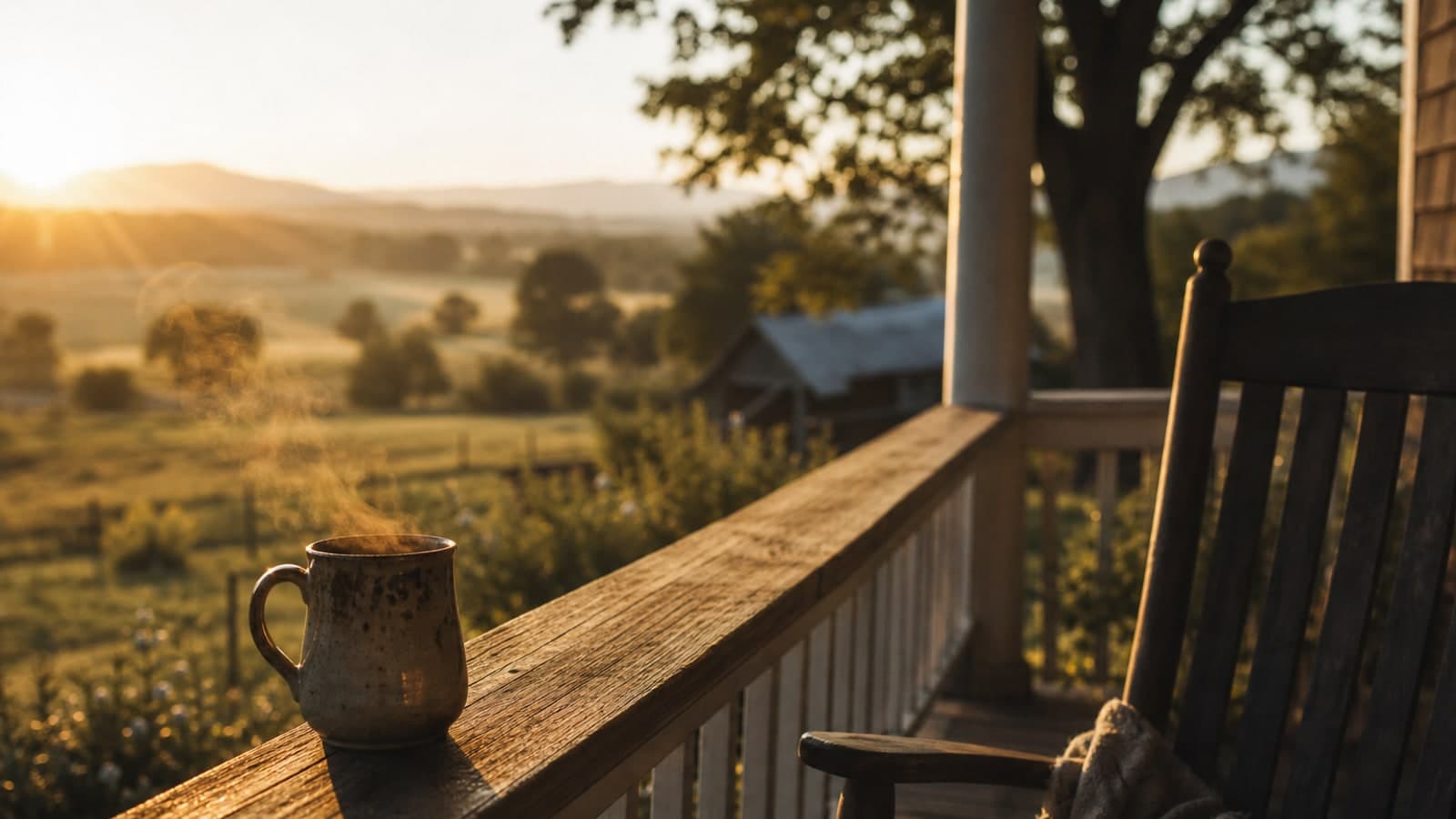
Suppose the nearest coffee shop is half an hour down a two-lane road. For many homesteaders, that distance is where convenience ends and a more intentional morning ritual begins.
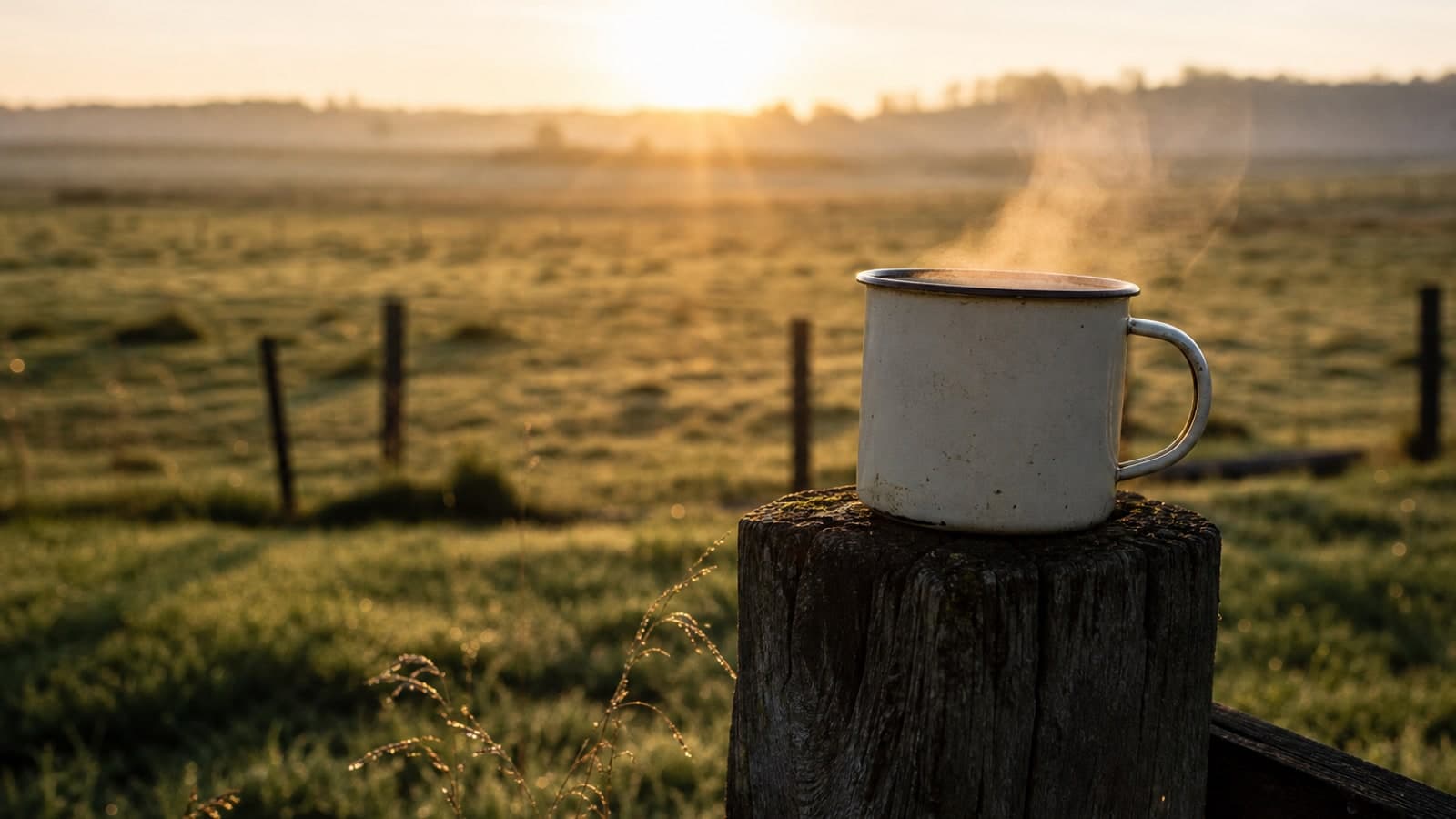
Quick answer: When decent coffee is not around the corner, many rural households start brewing at home with more care. That shift often leads people to specialty coffee: fresher beans, clearer sourcing, and a cup worth sitting down with before a long day of physical work.
Suppose you trade a busy suburb for a few acres, a garden, maybe a small flock or a hive or two. The nearest coffee shop is not on your commute anymore. It might be a 20- or 30-minute drive down a two-lane road, often a drive-through attached to a gas station, serving coffee that is tolerable in the way mass-market products are tolerable: inoffensive, reliable, entirely forgettable.
For a while, you might make that drive. Then less often. Then you start wondering what it would take to make something better at home.
That pattern is common. The interesting part is not only what people discover about specialty coffee. It is what rural life itself teaches about the gap between convenience and quality, and why, once you see that gap clearly, commodity coffee is hard to take seriously again.
The Convenience Trap
City and suburban life optimizes for convenience. Coffee is available on almost every block in almost any form. The abundance makes it easy to consume without thinking, which is fine until you actually start thinking.
When that convenience goes away, you face a choice. Either you drink coffee only when you happen to be near town, or you build something better at home.
Building something better at home is how many people accidentally become someone who cares about coffee.
A decent grinder helps. So does a bag from a roaster who publishes where the beans came from and when they were roasted. Brew it in the French press that sat in the cabinet for years. The difference from the gas-station cup is often disorienting, not because the process was complicated, but because you had finally been paying attention.
What Rural Life Teaches About Quality
There is a pattern in how many homesteaders think about what they consume, and it takes a while to articulate: when you produce some of your own food, you develop a different relationship to quality.
You grow a tomato from seed and wait three months for it. You know what a real tomato tastes like. The grocery store tomatoes you used to buy without thinking now taste flat, and not because they changed. Because you did.
This happens with eggs. With milk. With bread. With coffee, if you let it.
Once you have had coffee that was sourced intentionally, roasted carefully, and brewed with attention, the drive-through version does not taste merely different. It tastes like the absence of care. That quality, the traceable presence or absence of care in a product, starts to matter more when you are producing things yourself and understand what care costs.
Rural life accelerates this. When you cannot outsource everything to convenience, you start making more with your own hands, which builds a sensitivity to craftsmanship. Spending money on something made without it begins to feel like a waste.
Where Saltbox Fits In
Saltbox Coffee Co. was founded by people who lived that homestead chapter: a small piece of land, outdoor work, quiet mornings before the day began, and the lessons that stay with you even when life moves on. We still keep bees. We still believe in slower morning rituals. We built this brand for anyone who recognizes that way of living, whether you are on a farm today, in a small town, or simply trying to bring more intention to an ordinary Tuesday.
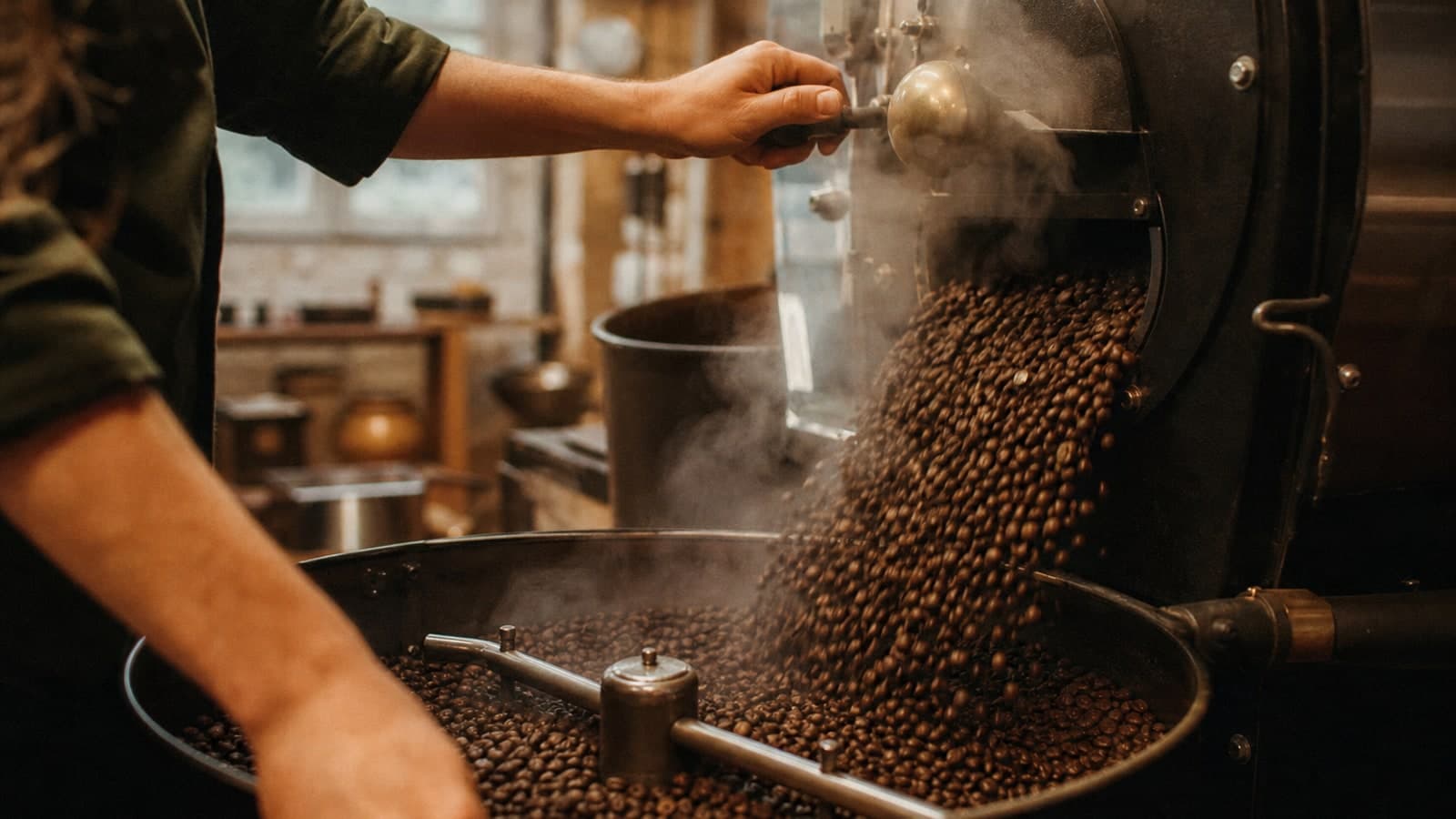
We do not roast. We partner with Temecula Coffee Roasters, a family-owned specialty roaster in California, because their sourcing transparency, certifications, and roast-to-order model matched what we were willing to put our name on. Every Saltbox bag is roasted fresh after you order and shipped directly to your door.
That is not a hypothetical. It is how we operate.
The values alignment is practical, not sentimental: traceability, sustainable farming, fair compensation for producers, and quality over volume are the same values that motivate many people who choose to work land. Specialty coffee and homestead life are not a coincidental pairing. They are two expressions of the same orientation toward craft and the land that food comes from.
Why This Matters for the Cup in Your Hand
None of this is abstract. It shapes what is in the bag you order and what ends up in your mug at 5am.
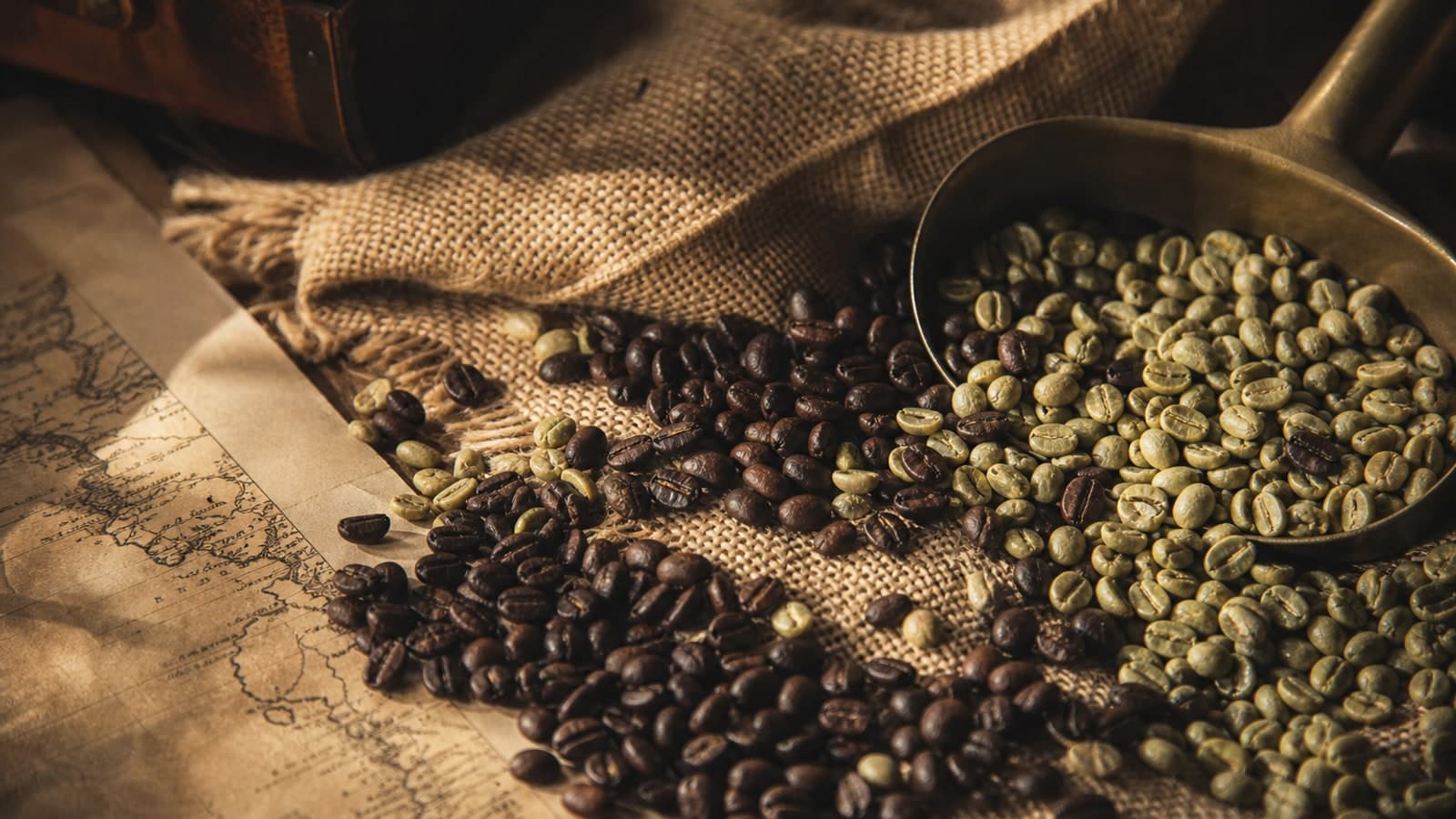
Beans grown with care, processed carefully, roasted by people who take it seriously, and shipped to you fresh produce a cup that is perceptibly better than commodity coffee. The difference is not subtle. It is the difference between something you look forward to and something you consume to function.
On a homestead morning, at the start of a long physical day, that difference matters more than it does in a city office where you can get another coffee in 20 minutes if the first one was bad. On the farm, the cup in your hand at 5am may be the only one you sit down with before things get demanding. It is worth making it a good one.
Frequently Asked Questions
What is specialty coffee?
Specialty coffee refers to coffee that scores 80 or above on a 100-point scale developed by the Specialty Coffee Association (SCA). The scoring evaluates flavor, aroma, body, acidity, sweetness, and absence of defects. Specialty coffee is typically sourced from specific farms or regions, processed with care, and roasted to highlight rather than mask the bean's inherent flavors. It represents roughly the top 3% of coffee produced globally.
Is specialty coffee worth the price compared to grocery store coffee?
For everyday use as a deliberate part of your morning, yes. Specialty coffee costs more per bag, typically $15–$22 per 12oz versus $8–$12 for commodity grocery store coffee, but the cost per cup is roughly $0.30–$0.70 more depending on brewing method and quantity. Against the full cost of a homestead day, that premium is negligible. The quality difference is meaningful and consistent.
Where can I buy good coffee if I live in a rural area?
The best option is direct-order from a quality specialty roaster who ships nationally. This gives you access to roasters you'd never find locally, at competitive prices, with the coffee arriving fresh within days of roasting. That is what Saltbox Coffee Co. was built to provide: Temecula Coffee Roasters' beans shipped directly to rural households who understand the difference quality makes.
What makes Temecula Coffee Roasters different?
Temecula Coffee Roasters sources with transparency: documented origin relationships, processing method clarity, farm-level traceability. The roasting is calibrated to the specific bean, not to a standardized commercial profile. For the full background on why we chose them as our roasting partner, our sourcing story covers it in detail.
Does specialty coffee taste noticeably better than regular coffee?
Yes, with one condition: the brewing method has to be decent. A quality specialty bean brewed in a good French press or pour-over will taste dramatically better than commodity grocery store coffee brewed the same way. That same specialty bean brewed in an old drip machine with hard water will still be better than commodity coffee, but the gap narrows. Improve the beans and the brew method together for the full impact.
How should a homesteader think about coffee sourcing?
The same way you'd think about any input on the land: where did it come from, who grew it, how were they compensated, and is the product worth what you're paying? Specialty coffee sourced from transparent roasters answers these questions clearly. It is consistent with the values many homesteaders already apply to the food they raise: that traceability and care matter, and that the cheapest option usually reflects a cost paid somewhere else in the chain.
Start with Morning Blend or visit the shop. Learn about Saltbox Gives Back if veteran farmer support matters to you.