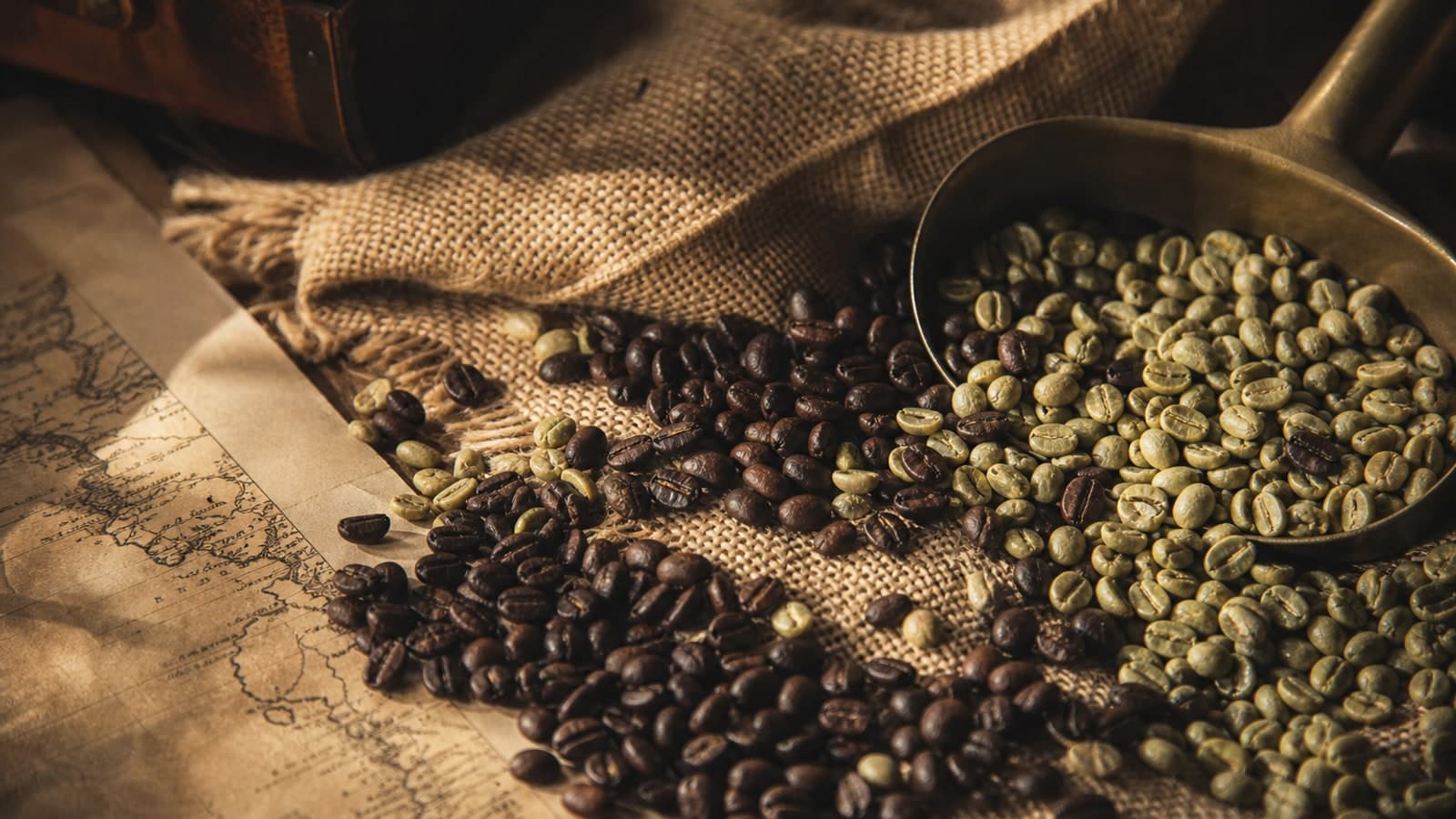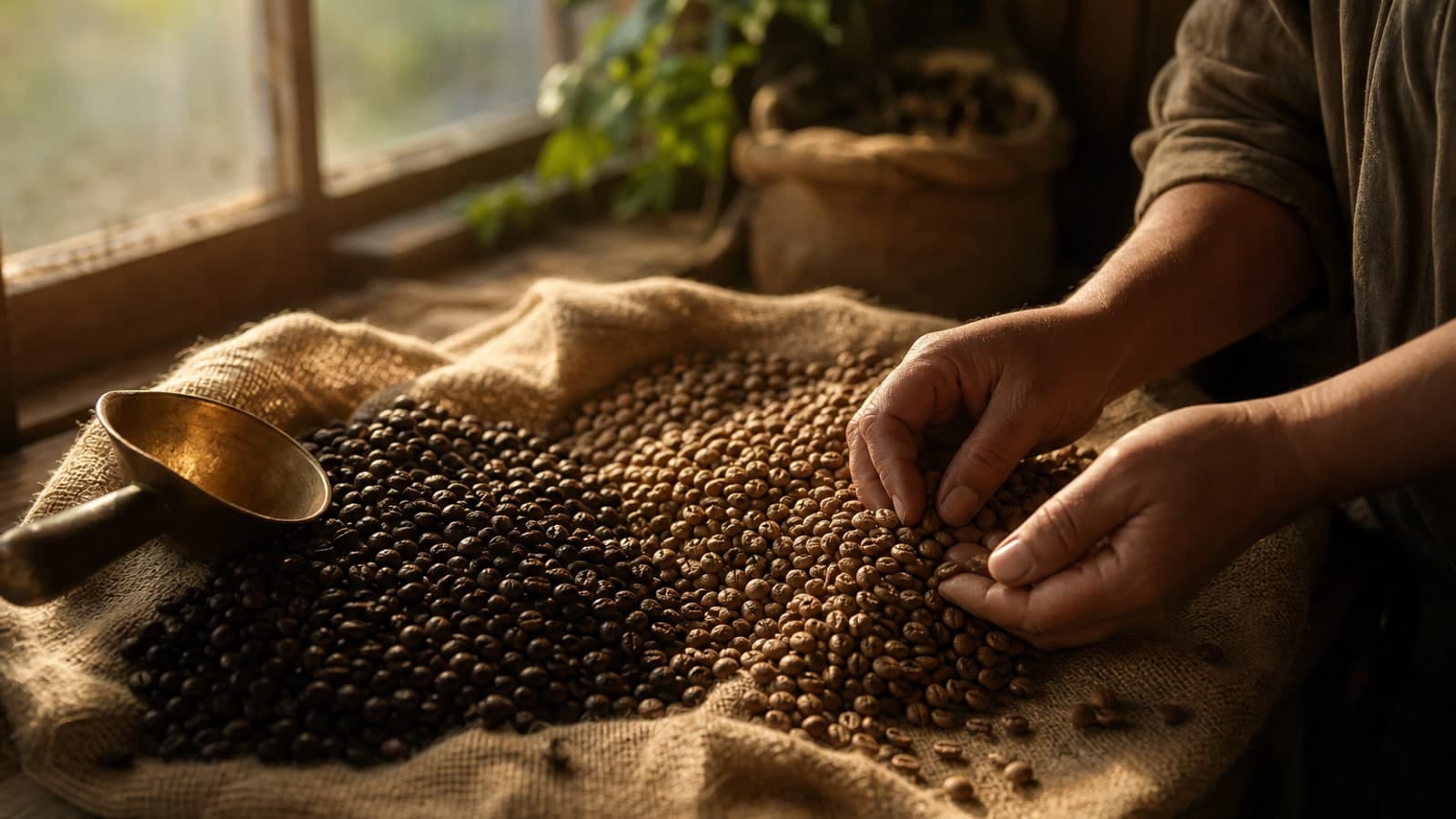
Washed vs. Natural Coffee: What the Process Means in Your Cup
Processing is how cherries become dried green beans. Washed coffees tend to taste cleaner; natural coffees tend to taste fruitier. Here's the homestead version without cupping jargon.
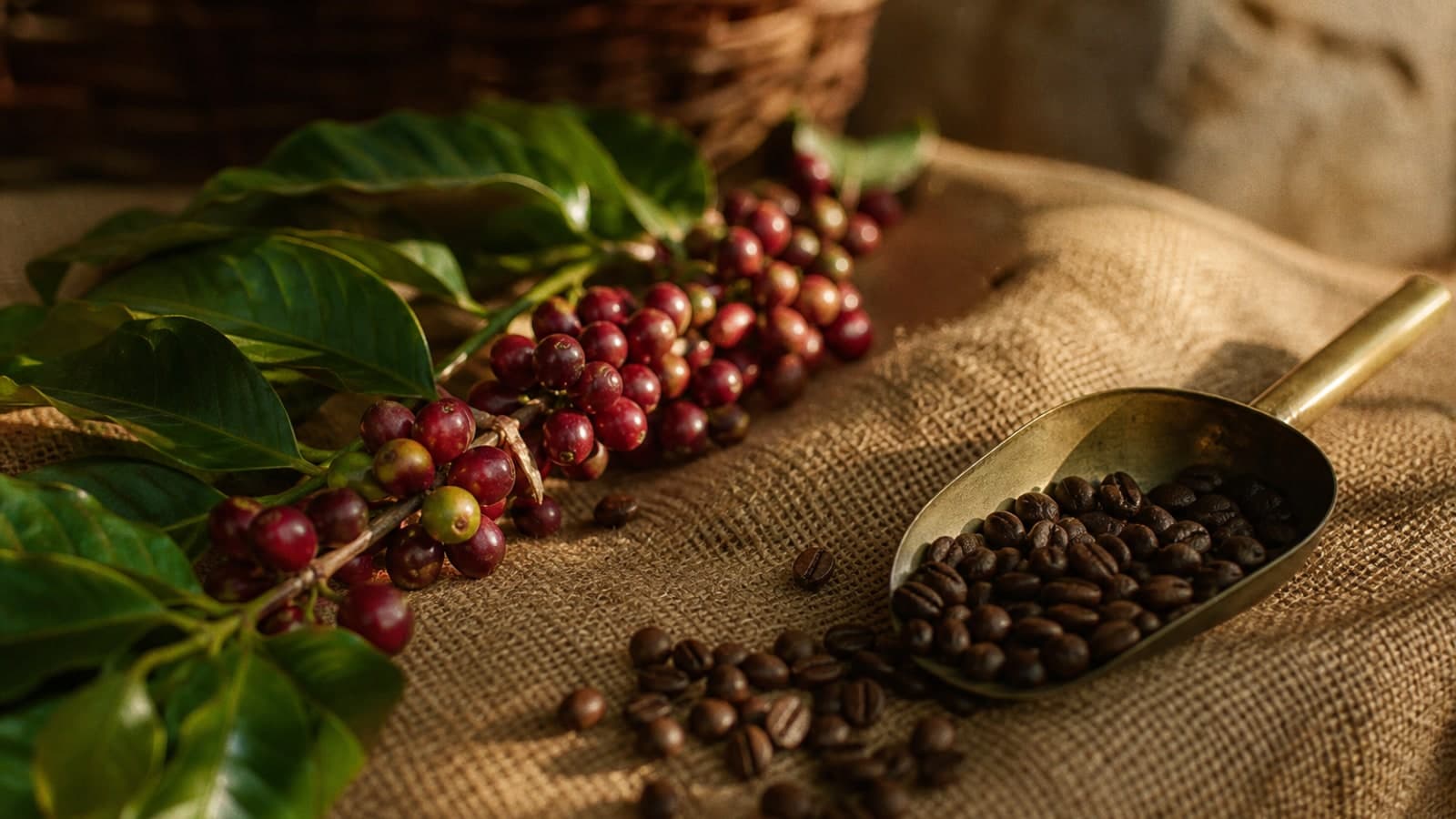
Quick answer: Washed (wet-processed) coffee removes fruit before drying and usually tastes cleaner and brighter. Natural (dry-processed) coffee dries with the fruit on and often tastes fruitier and heavier. Neither is better. Choose based on whether you want clarity or fruit character in the morning cup.
When you buy specialty coffee, "process" is one of the quietest labels that changes flavor the most. It is not roast level. It is what happened to the cherry after harvest.
Washed Process
Fruit pulp is removed soon after picking. Beans are fermented and washed clean, then dried.
In the cup you often get:
- Cleaner finish
- Clearer origin character (floral, citrus, tea-like notes on some lots)
- Less heavy fruit sweetness
Washed coffees shine in pour-over and careful drip. See pour-over for a quiet weekend.
Natural Process
Cherries dry whole (or mostly whole) before the fruit is hulled away.
In the cup you often get:
- Berry, winey, or jammy fruit notes
- Heavier body
- More fermentation character (good when done well; wild when not)
Naturals can be exciting on a Sunday and distracting if you want a predictable chore-day cup.
How Blends Use Process
House blends often mix origins and processes to stay consistent year-round. You may not see "washed" or "natural" on a blend bag even though those decisions happened upstream. See single-origin vs. blends.
What to Buy for Homestead Mornings
Everyday reliability: start with a balanced blend like Morning Blend.
Weekend curiosity: browse single-origin and read the product notes for process when listed.
Bold thermos days: roast level often matters more than process. See Homestead Dark.
Taste without jargon: how to taste coffee at home.
Frequently Asked Questions
Is natural coffee sweeter?
Often it tastes fruitier and sweeter. Sugar is still coffee sugars and roast development, not added sweetener.
Does process affect caffeine?
Not in a meaningful way for daily drinking. Roast and brew ratio matter more for strength.
Which process is more "specialty"?
Both appear in specialty coffee. Quality is about execution, not the name of the process. See what is specialty coffee.
Related: why we chose Temecula, shop.