What Is Specialty Coffee? (And Why It Matters on the Homestead)
Specialty coffee is not a marketing phrase. It is a quality standard. Here's what separates it from grocery store bags and why rural households notice the difference.
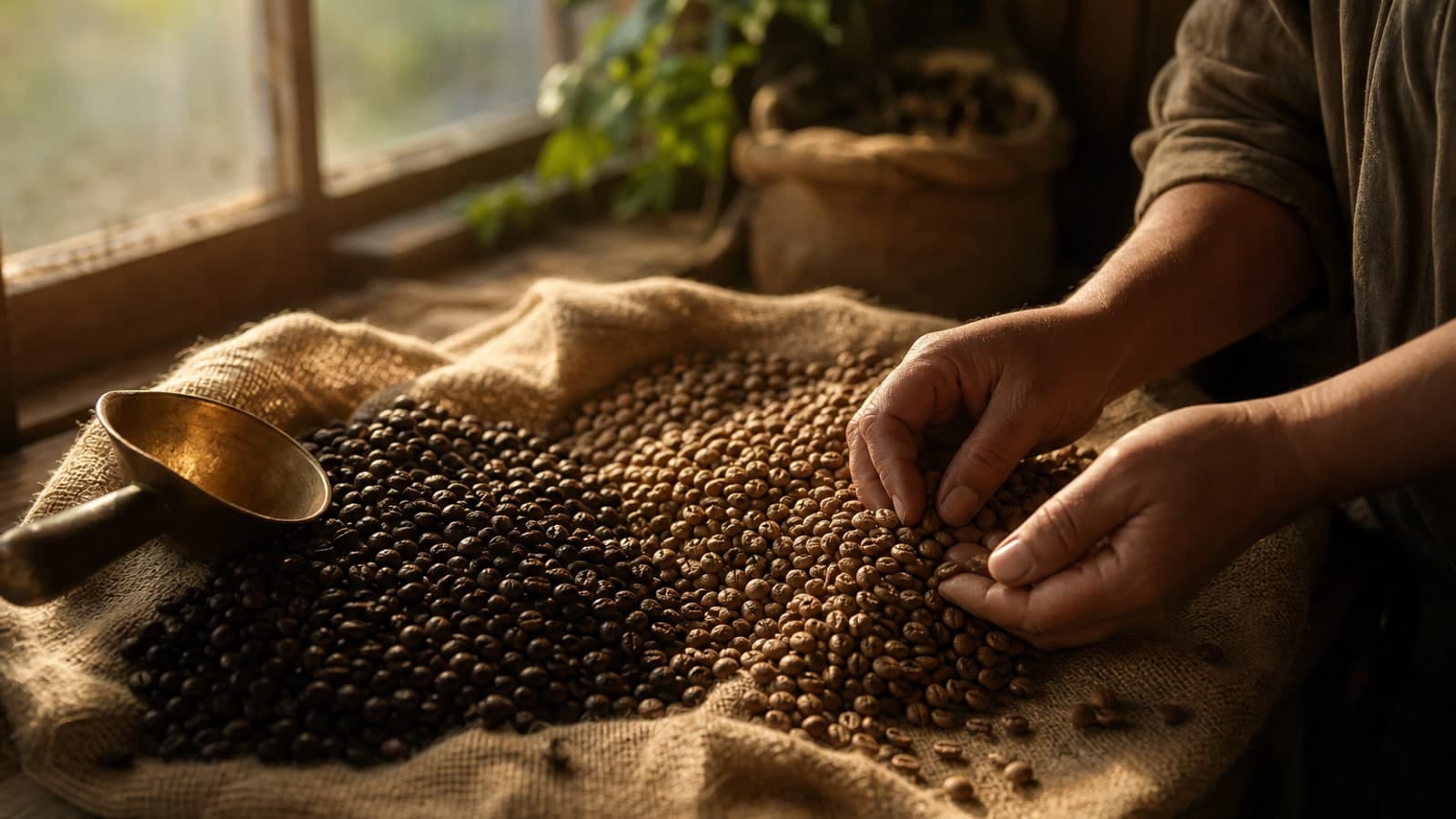
Quick answer: Specialty coffee scores 80+ on a professional quality scale, is traceable to origin, and is roasted to highlight flavor rather than hide defects. It is roasted fresh in small batches, not stored in a warehouse for months. You taste the difference in sweetness, clarity, and consistency cup to cup.
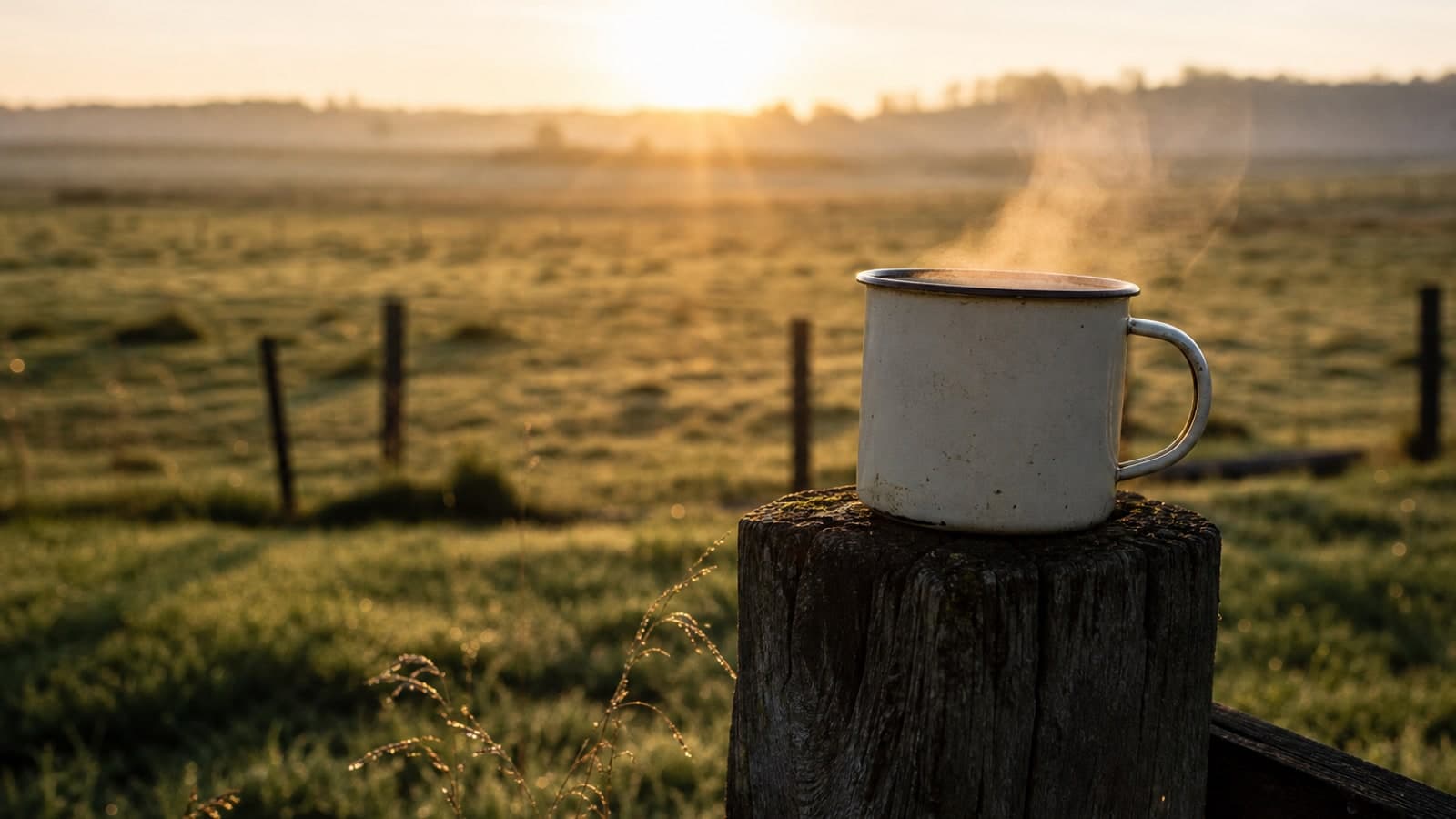
"Specialty coffee" sounds like something you buy in a city with a latte art competition. On a homestead it is simpler: coffee that is sourced, roasted, and sold with quality as the point, not shelf life alone.
When the nearest café is thirty minutes away, your kitchen counter becomes the café. That is when specialty vs. commodity actually matters.
Specialty vs. Commodity
| Commodity coffee | Specialty coffee | |
|---|---|---|
| Goal | Volume, low price | Flavor, consistency |
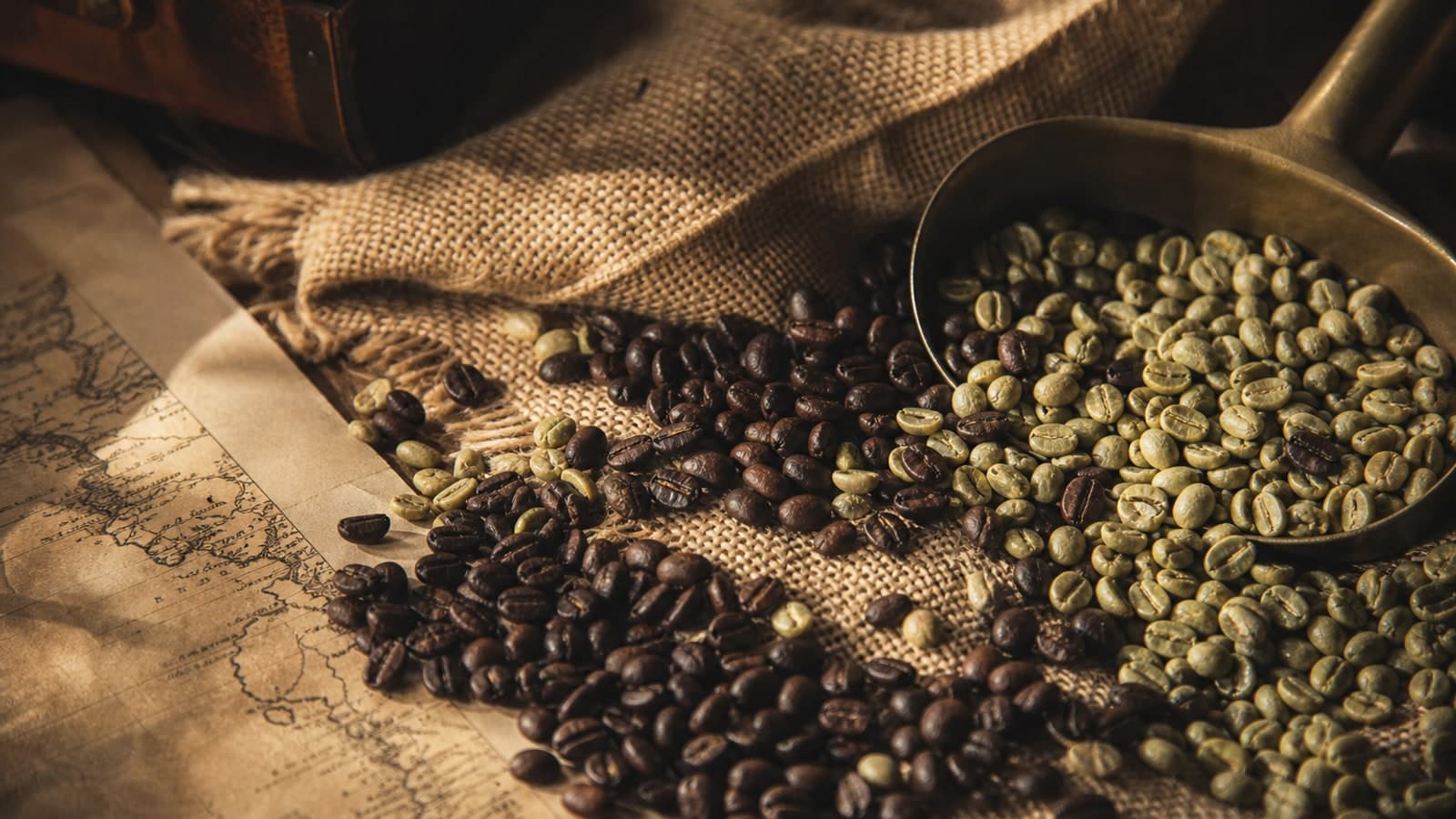
| Defects | Hidden by dark roast | Sorted and minimized at origin |
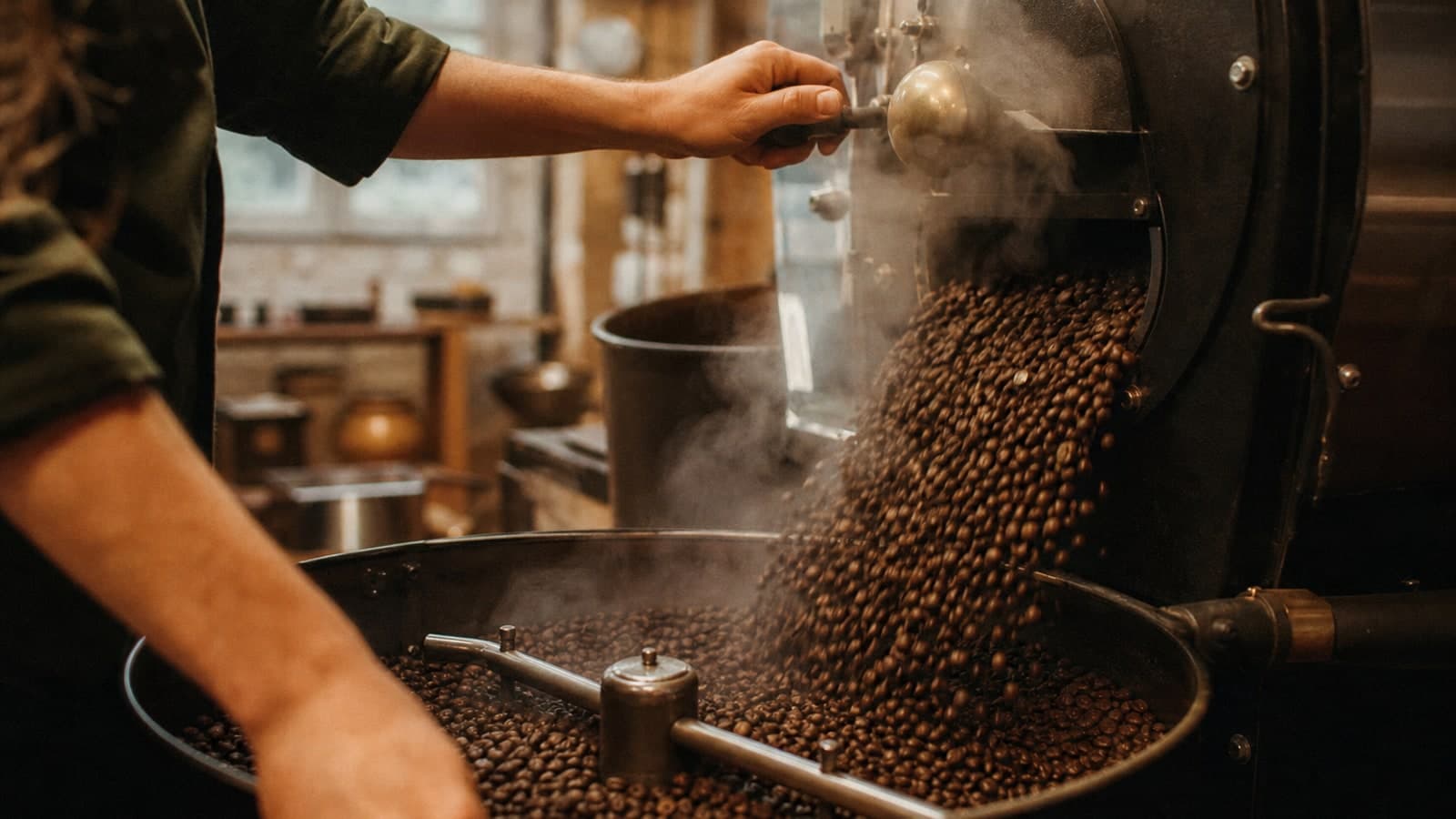
| Freshness | Months on shelf | Roasted to order |
| Traceability | Often vague | Farm or region known |
| Roast style | One-size dark | Matched to bean character |
Neither is morally superior in every context. But if you are buying coffee for daily ritual, specialty is the category where fresh roast and careful sourcing are the default.
What the 80+ Score Means
The Specialty Coffee Association uses a 100-point scale. Coffee graded 80 and above is specialty grade. Below that is commercial grade.
You do not need to cup-score beans at home. The label tells you the roaster cared about green coffee quality before it ever hit the drum.
Why Homestead Households Notice
You drink the same coffee daily. Small quality gains compound into a better year of mornings.
You brew simply. French press, drip, thermos: there is nowhere for stale or defective beans to hide.
You buy in bulk sometimes. Specialty coffee still needs proper storage. See coffee storage on the homestead.
You care where things come from. Traceability matters on land where you know your hay supplier by name. Coffee can work the same way. See single-origin vs. blends.
How Saltbox Fits the Category
Saltbox coffees are private-label specialty roasts from Temecula Coffee Roasters, roasted fresh to order and shipped direct. No warehouse sitting.
We do not put certification logos on the site unless a specific product qualifies. We focus on freshness, roast quality, and honest sourcing you can taste.
Flagship options to start:
- Morning Blend: everyday medium roast
- Founders Reserve: premium reserve profile
- Beekeepers Roast: medium-dark for early mornings
Is Specialty Worth the Price?
Cost per cup is usually $0.50–$1.50 depending on brew method and bag size, vs. less for bulk grocery cans.
Against a homestead day, that difference is small. Against a year of mornings that taste flat, it is large.
Read why rural living required better coffee for the full argument.
Frequently Asked Questions
Is specialty coffee always light roast?
No. Specialty includes light, medium, and dark roasts. The term refers to green coffee quality, not roast color.
Does fairtrade mean specialty?
Not automatically. Fairtrade addresses trade terms; specialty addresses cup quality. See fairtrade coffee explained.
How fresh should specialty coffee be?
Best within 2–4 weeks of roast for peak flavor. Still good longer if stored well. We roast after you order so the clock starts at your door, not a distribution center.
Related: why we chose Temecula, how to taste coffee at home.