Brew Ratios When Fall Air Turns Dry
October humidity swings can make last month's dialed-in coffee taste thin or harsh. Here is how to adjust ratio, grind, and storage when the air dries out.
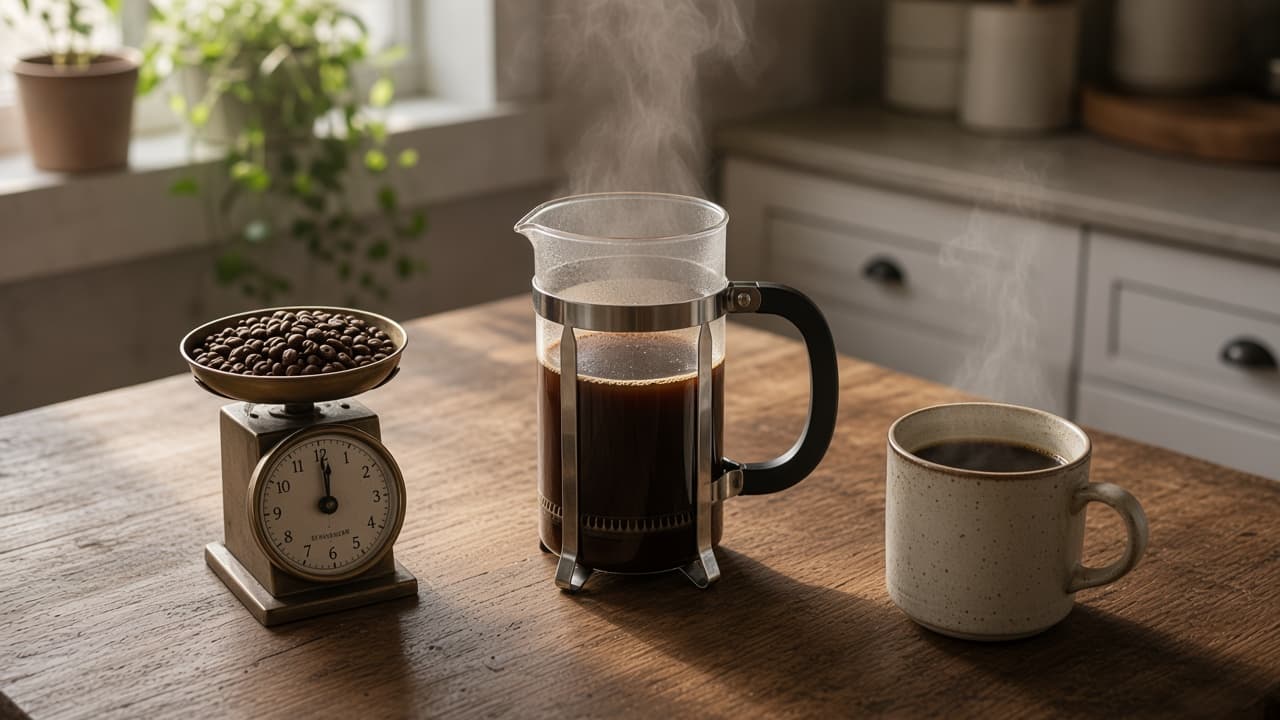
Quick answer: When coffee suddenly tastes different in dry October air, change one variable at a time. Start with grind (often slightly finer if the cup went thin), keep dose consistent by weight, and store whole bean airtight. Do not rewrite your whole recipe on day one of a weather swing.
Homestead kitchens notice seasons in the cup. Summer humidity can make grounds clump and extraction drift one way. Dry fall air can make the same grind setting taste under-extracted, dusty, or oddly sharp.
The fix is not buying a new brewer. The fix is treating weather as a known variable, the same way you already treat new bags and dirty grinders.
What Dry Air Does to Coffee
Beans and grounds exchange moisture with room air. In dry conditions:
- Grounds can feel more powdery
- Extraction can speed or uneven out depending on your method
- Stale flavors show up faster if bags sit open
- Static in some grinders gets annoying
None of this means your beans failed. It means last month's muscle memory needs a small update.
The One-Variable Rule
When taste changes:
- Confirm roast date and storage (not a month-old open bag)
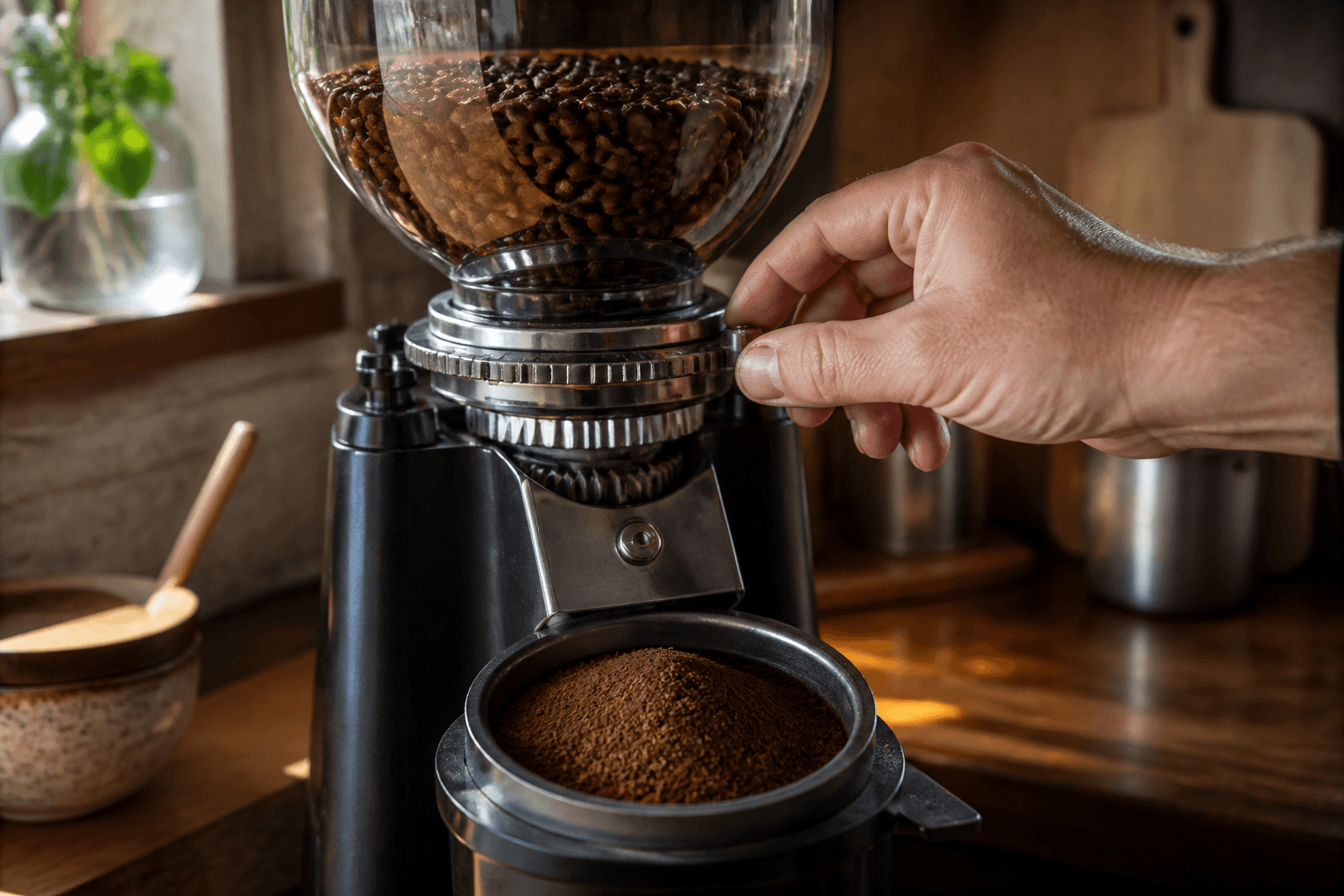
- Clean the grinder if it has been a while
- Adjust grind first, or dose first, not both
- Keep water temperature and brew time in a known range
Full recalibration walkthrough: grinder settings drift.
Starting Ratios Worth Returning To
Use weight when you can.
| Method | Starting ratio | Notes |
|---|---|---|
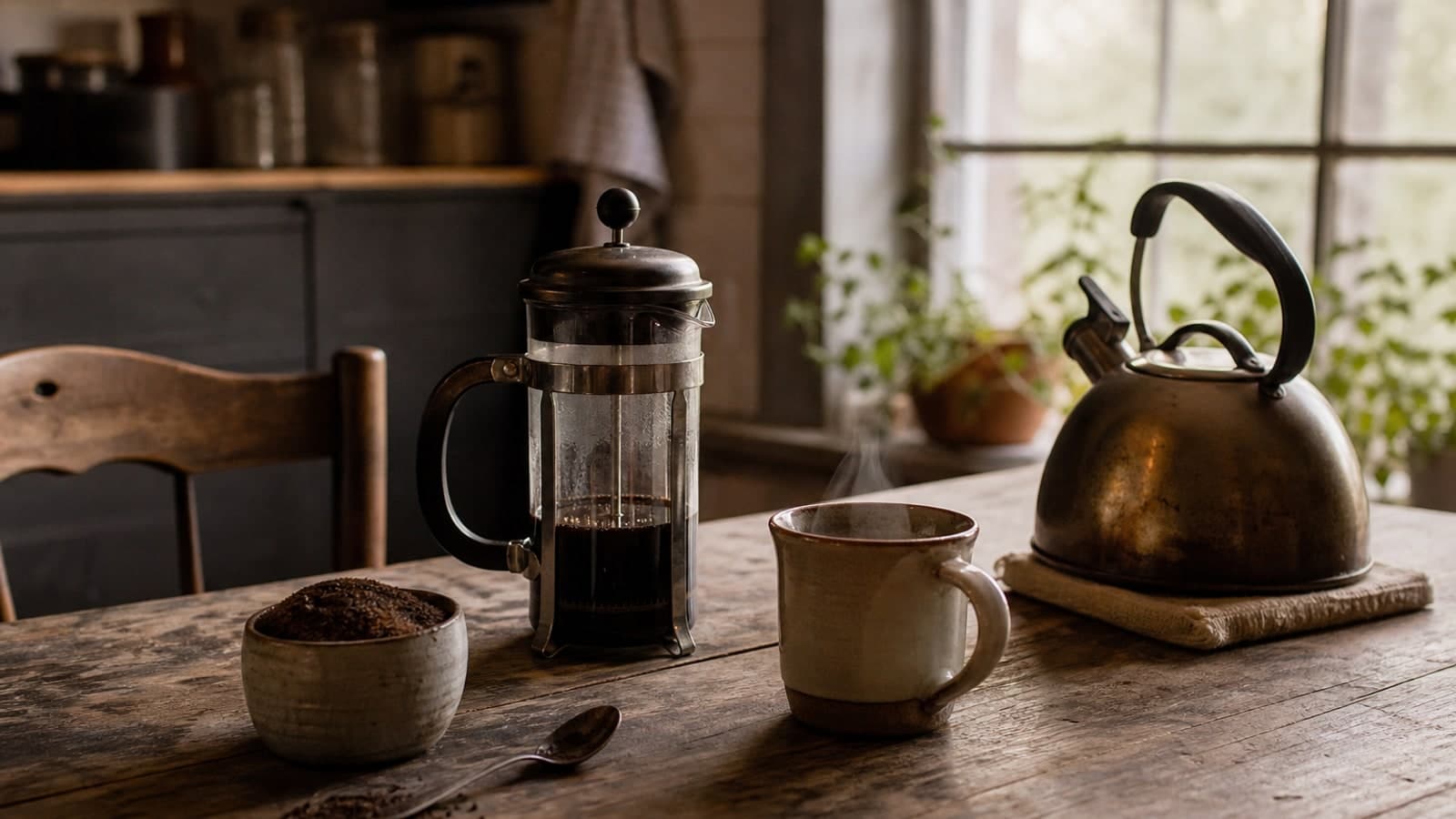
| French press | ~1:15 | Preheat; total brew ~4 minutes |
| Drip | ~1:16 to 1:17 | Medium grind; clean basket |
| Pour-over | ~1:16 | Bloom, then steady pour |
| Moka | basket full, no hard tamp | Medium-fine; medium heat |
Method guides: French press, drip, pour-over, moka.
If the Cup Tastes Thin
Common October pattern after a dry spell:
- Grind a notch finer
- Or add a small dose increase (2–3g on a full pot)
- Confirm water is near 200°F, not kettle-that-sat-for-five-minutes
Thin can also mean stale beans. Check roast date.
If the Cup Tastes Harsh or Dusty
- Grind a notch coarser
- Shorten contact slightly on immersion
- Check for old fines stuck in the grinder
- Make sure you are not cooking coffee on a drip warmer plate
Storage Matters More When Air Is Dry
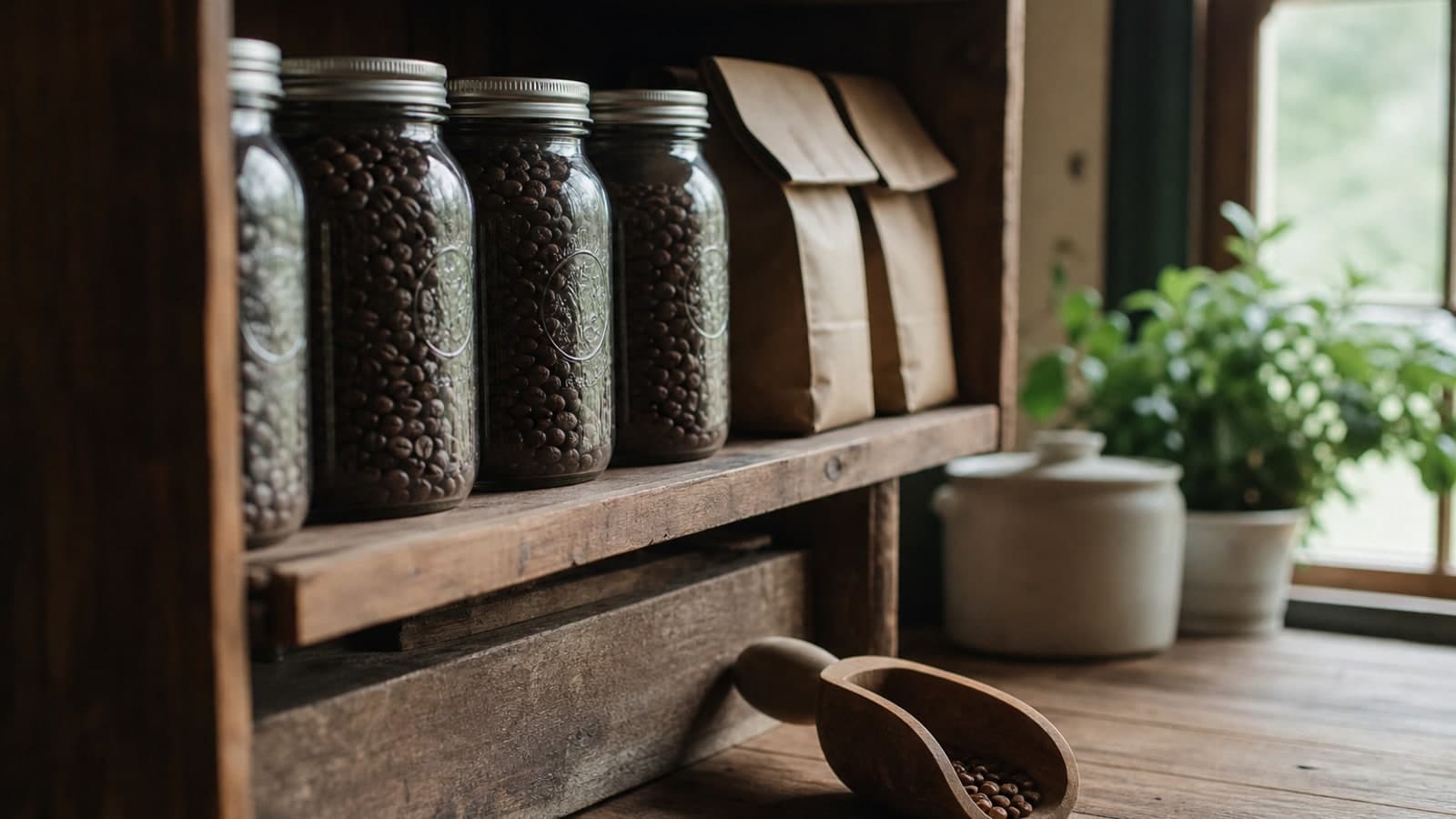
Whole bean in an airtight container, cool and dark, still wins. Do not store in the fridge door. Do not leave the bag rolled "mostly closed" on the counter for a week.
Practical storage: coffee storage on the homestead.
Beans That Forgive Small Drift
Everyday blends are easier to keep consistent through weather swings:
Save delicate single-origin experiments for weekends when you can taste carefully: fall tasting at home.
A Three-Morning Test
Keep method, dose, and water the same. Change grind one step finer on morning two if day one was thin. Note the result. That notebook beats guessing for a month.
Frequently Asked Questions
Do I need a humidity gauge in the kitchen?
No. Taste and a short note are enough for home brewing.
Should I change ratio every time the weather changes?
Only when the cup tells you to. Tiny habitual tweaks are fine. Constant recipe rewriting is not.
Does dry air make coffee go stale faster?
Poor sealing does. Dry air makes careless storage more obvious.
What about well water mineral changes seasonally?
Possible. If coffee and tea both taste off, revisit brewing with well water.
Is this the same as needing a darker roast for fall?
Not necessarily. Roast preference and extraction are different knobs. See fall roast level.
Dial in with coffee worth the attention: Morning Blend in the shop.